 Wolf&Grayson Editorial
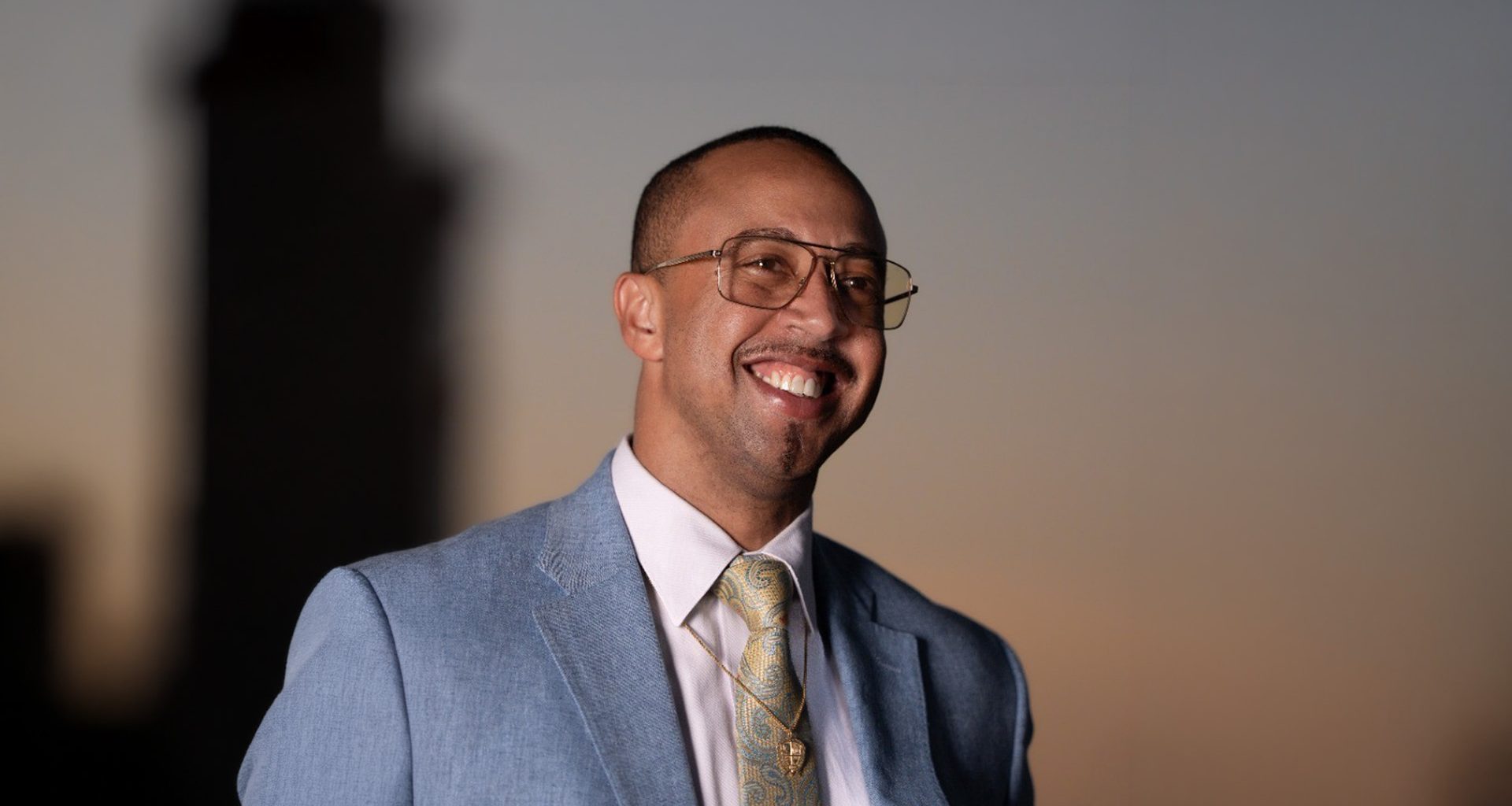
Building community empowerment programs that last often comes down to more than intent. It requires a clear structure, a repeatable model, and a leader who understands how to turn lived experience into something others can apply. Joel H. Simmons, business owner of Tenacity Foundation, has built his approach around that premise, translating personal resilience into signature initiatives that can scale without losing their human core.
“Adversity doesn’t define you; it refines you. It gives you the vision to rise, the patience to grow, and the wisdom to lead with empathy,” says Simmons, whose perspective on adversity leadership has been shaped over decades in high-pressure roles as a paramedic and public servant. “I’ve learned that whether it works out or it doesn’t, it will still work. If something isn’t working, it simply means I need to learn how to do something better or collaborate differently.” At Tenacity Foundation, these ideas take form as signature initiatives designed to help individuals gain clarity, build discipline, and move forward with intention, even in uncertain environments.
Mastering Signature Initiatives That Scale
A defining feature of Simmons’ work is his ability to replicate purpose-driven programs across different communities without losing their human core. His method begins with a clear principle: relationships come before results. “It is better to build a relationship than it is to build stats,” he says. “If you approach the world just trying to measure impact, you lose the authenticity that creates real change.”
To explain how signature initiatives scale effectively, Simmons points to mastery. Once a leader or organization develops a core capability, it can be applied across contexts. He compares this to a signature skill in sports, where repetition and consistency create reliability under pressure. At Tenacity Foundation, that core capability is tenacity itself. By teaching consistency, persistence, and focus, the organization creates a transferable model. The structure of the program remains consistent, while the specific challenges of each community become the only variable. This “plug-and-play” approach allows for expansion without dilution, ensuring that programs remain both efficient and deeply personal.
Turning Programs Into Movements
Many leaders struggle to move beyond managing initiatives to building sustained momentum. Simmons draws a clear distinction between management and leadership, emphasizing that control alone cannot create movement. “Management will only take you so far,” he says. “True leadership is when you can cast a vision, leave it in the room, and people pick it up and move forward without you.” The key lies in internal inspiration. While motivation can spark action, it often fades quickly. Simmons instead focuses on activating what he describes as an internal mechanism that drives individuals to act independently.
He identifies three elements essential to building movements: clarity of vision, internal inspiration, and an environment that allows people the freedom to act. When these elements align, momentum develops naturally. This approach is particularly relevant for leadership development through public service and community initiatives, where long-term engagement depends on individuals taking ownership of the mission.
Rebuilding Human Connection in a Digital Age
As youth development increasingly competes with screen-based engagement, Simmons emphasizes the importance of designing initiatives that meet people where they are while guiding them back to real connection. “Young people are almost being born with screens,” he says. “But belonging is still a human need.” Simmons integrates elements of enjoyment and engagement into his programs. Laughter, play, and shared experiences become entry points for deeper learning. “When people are enjoying themselves, they’re more receptive,” he says. “That’s when you can teach the hard things.” This strategy allows his faith-based mentorship and empowerment frameworks to resonate across age groups. By embedding lessons into moments of connection, Simmons creates lasting behavioral change without forcing engagement.
Building Initiatives That Endure
Looking ahead, Simmons sees both opportunity and risk in a rapidly evolving landscape shaped by technology. While tools like AI can accelerate development, they also reduce the necessity for human interaction, creating a gap that community leaders must intentionally fill. “Community is still essential,” he says. “It takes a village, and that hasn’t changed. What has changed is how those villages are formed.” To build meaningful initiatives that outlast the founder, Simmons advocates for expanding vision beyond individual ownership. His goal is to create platforms so inclusive that others naturally see themselves within them. “When people can see themselves in the vision, they become part of it,” he says. “Then it’s no longer competition. It’s collaboration.”
This philosophy underpins his approach to community empowerment, where unity replaces fragmentation and shared purpose drives sustained impact. Simmons’ work offers a clear framework for how to build community empowerment programs that are both scalable and deeply human. By anchoring initiatives in resilience, clarity, and authentic connection, leaders can move from isolated efforts to lasting movements.
Follow Joel Simmons on LinkedIn or visit his website for more insights.