 Wolf&Grayson Editorial
For professionals seeking targeted career growth, particularly at the director through C-suite level, recruiters are essential strategic partners. That partnership only works, however, when candidates understand how recruiters operate and how to meet them on their own terms.
“The disconnect between candidates and recruiters is that candidates like to keep their options open,” says Arno Markus. “Recruiters are looking for a match. Not somebody who is close, but somebody who is spot on.”
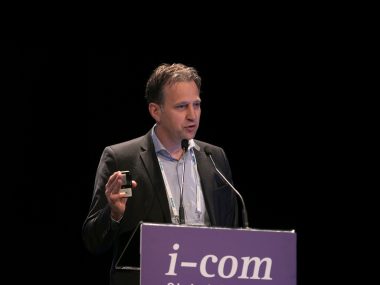
Markus, founder and CEO of iCareerSolutions, built his career on understanding how hiring decisions actually get made. His work in international executive recruitment taught him that “precision beats optionality, every time.” That insight underpins his reverse recruitment approach, which reframes the job search as a focused, market-led campaign rather than a numbers game.
Recruiters Respond to Clarity, Not Potential
At the core of Markus’s philosophy is the idea that senior candidates must commit to a single, clear professional identity. This is because recruiters are tasked with filling specific roles, often under tight timelines, and they are measured on accuracy.
“If a recruiter is looking for a VP of IT, then they’re looking for a VP of IT,” Markus says. “When someone says they’re also open to being a CIO or an IT project manager, that diminishes their impact as a candidate.”
This reluctance to narrow a personal brand is one of the most common reasons strong professionals fail to gain traction. By attempting to appeal to multiple roles, candidates dilute the signal recruiters rely on, both in human screening and automated systems.
The good news is that this level of precision is learnable. With the right structure and intent, candidates can position themselves in ways that make recruiters far more willing to engage. Establishing a uniform brand does not limit options. It helps candidates earn access to the conversations that make those options possible.
Reverse Engineering the Role Before the Outreach
Markus’s reverse recruitment method begins at the end point, meaning the role a candidate wants next, not the one they currently hold. That future-facing title becomes the organizing principle for every asset and every interaction.
“The very first thing we need to do is figure out which title they’re targeting, which may or may not match their current title,” Markus says. “If they’re a director of IT but want to be a VP of IT, we market and brand them as a VP of IT.”
From there, résumés and LinkedIn profiles are reverse engineered to mirror how recruiters define success in that role. If a target position emphasizes regulatory compliance, transformation, or scale, the narrative must show credible evidence in those areas. This is not about exaggeration. It is about selecting and framing experience so that relevance is immediately obvious.
That level of alignment changes the nature of recruiter outreach. Instead of vague introductions or general résumés, candidates present themselves as ready-made solutions to a defined hiring problem.
Expanding the Search Beyond the Job Board Mindset
Another mistake Markus frequently sees is overreliance on a single channel, most often LinkedIn. “Most recruiters are headhunting on LinkedIn,” he says. “If you optimize your LinkedIn, you’ll be found.”
His reverse recruitment framework operates across five channels simultaneously: network building, LinkedIn optimization, recruiter relationships, selective job board use, and targeted company outreach. Each channel reinforces the others, creating momentum rather than sporadic activity.
This approach also reframes recruiter engagement. Traditional recruiters work for companies, not candidates, and they are focused on filling specific openings. Expecting them to find a role for a general profile misunderstands their function. Precision outreach, tied to roles they are actively recruiting for, respects how their incentives actually work.
When to Bring in a Managed Search
While Markus encourages professionals to test the market with strong career assets, timing matters. Waiting until a job search has stalled for months can limit leverage and increase pressure.
“Don’t wait too long,” Markus says. “You don’t want to be out of work for six months or a year before you get help.” A managed search becomes most valuable when discretion, speed, and seniority are at play. At that level, many opportunities are confidential and never appear publicly. Recruiters often fill these roles from their own databases before searching externally. Being clearly positioned and already known increases the odds of being considered when those searches begin.
The Strategic Payoff of Working With Recruiters
The broader implication of Markus’s approach is a shift in mindset. Recruiters are not there to evaluate potential. They are there to confirm fit. Candidates who understand that dynamic and present themselves accordingly gain access to opportunities others never see.
“Recruiters have access to confidential positions,” Markus says. “You have no idea these jobs exist.”
For senior professionals, targeted growth is less about casting a wide net and more about earning trust in narrow, high-stakes searches. Collaboration with recruiters works when candidates do the strategic work first.
Follow Arno Markus on LinkedIn or visit his website for more recruitment insights.