 Wolf&Grayson Editorial
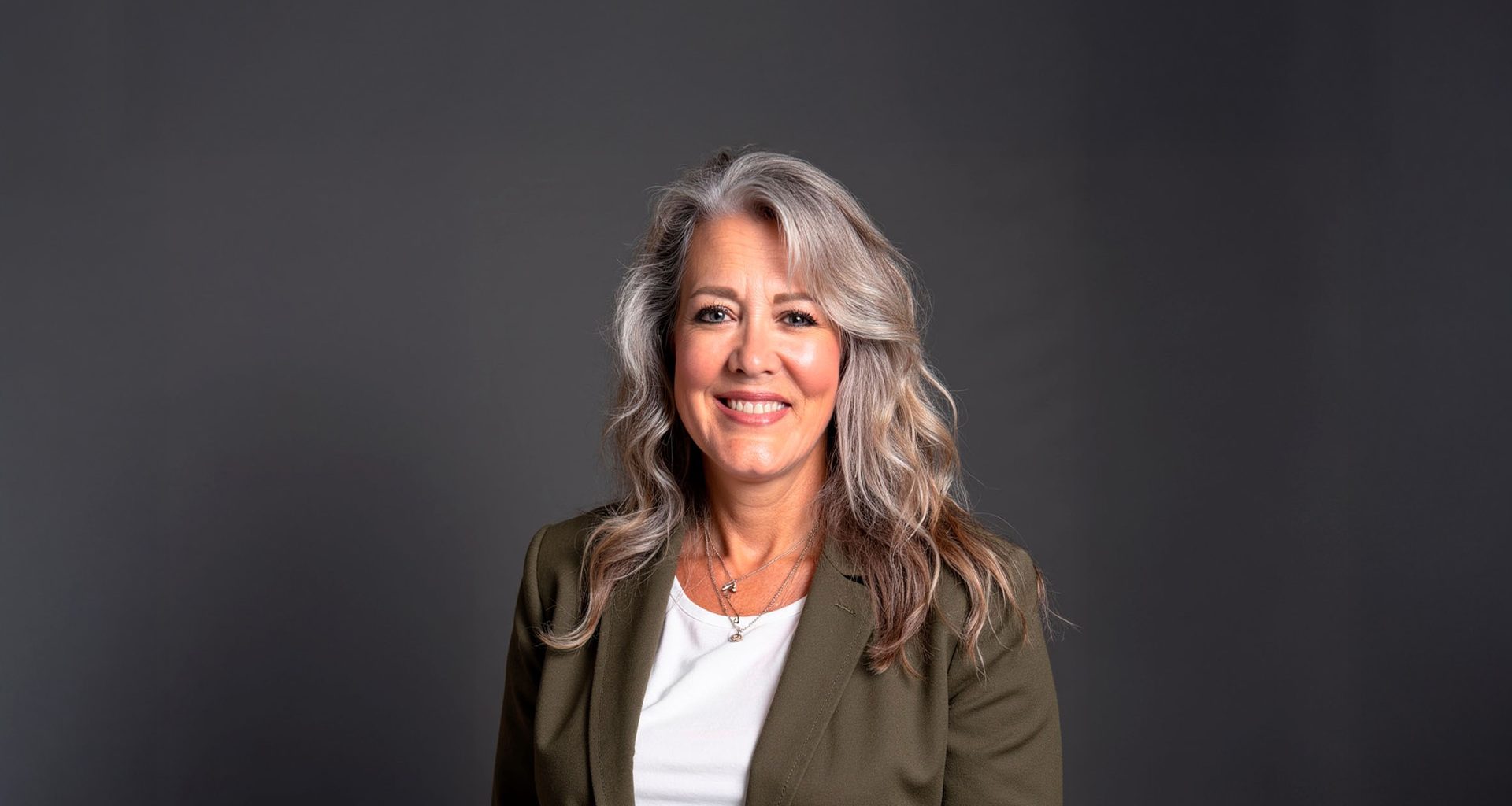
Angela Passman built her company by doing what she had always done: rescuing, fostering, and finding ways to help animals get where they needed to go.
“It started out as a hobby, just helping people,” Passman says. “And I joke about it turning into a monster of a business because I never intended to start a business transporting animals.” The demand kept showing up anyway, often wrapped in the stress of a family move and the fear that a beloved pet could be treated like cargo. Over time, that hobby became World Pet Travel, the pet relocation firm Passman leads with a clear operating belief that if relocation is inevitable, animal welfare cannot be optional.
A niche industry with high stakes
Moving a pet across borders is an exercise in logistics and emotion. Owners have to navigate veterinary requirements, documentation timelines, airline policies, customs procedures, and restrictions that can vary by country, carrier, and even season. But the stakes are not simply compliance. It is the well-being of an animal that cannot explain discomfort, dehydration, fear, or stress.
A lifelong animal advocate, Passman describes her path as a “natural evolution,” beginning with shelter work and relationships with veterinary clinics that trusted her judgment. “They knew my passion for animals,” she says, explaining how veterinarians began asking for help transporting animals. “It started out very slow, but then it built into what it is now.”
That origin story matters because it shaped the company’s operating posture. Pet relocation can look like a transactional service from the outside, but really it comes down to custodianship. “This isn’t just your pet, this is our pet,” she says. “While it’s in our control, we do treat it as though it’s our pet.”
The “Cooper test” and the discipline behind compassion
For Passman, the clearest way to enforce animal-first decision-making is to translate empathy into a repeatable internal rule. She calls it the “Cooper test,” named for her Chihuahua.
“I had, until recently, a 14-year-old Chihuahua named Cooper,” she says. “And I would tell people in my office and tell people, the airlines, if I wouldn’t do it for Cooper, I’m not doing it for you.” The test forces staff to consider the animal’s experience, not just the route, timing, or price.
It also forces a company to operationalize welfare, rather than treating it as a marketing promise. In practice, that means designing processes that anticipate stress points: handling requirements for snub-nosed breeds, crate fit and ventilation, temperature risk, connection times, and the reality that a family’s panic often peaks when the pet disappears behind an airline counter.
The underlying idea is that compassion needs scaffolding. A team can care deeply and still make mistakes if they do not understand the rules that govern animal handling.
Regulations as the non-negotiable baseline
Passman advises entrepreneurs who want to build animal welfare into a business to start with the law. “The first thing they can do is become familiar with the Animal Welfare Act and read the literature,” she says. “It explains, in detail, how you are required to treat each animal.”
She points to the kinds of details that can sound small until a pet is in transit for hours. “For something as small as you’re traveling by ground, you must stop every four hours and give that dog a chance to go out and walk around a little bit,” she says. For Passman, those requirements are the minimum conditions of care.
Her second recommendation is industry-specific training. “Get certified in LAR, Live Animal Regulations,” she says, emphasizing that the mechanics of safe movement must be understood before a business tries to scale. Ethical standards become real when they show up in checklists, training, and decision-making rights. “They need to learn the basics and then go back and apply them to whatever situation they’re working with,” she adds.
Where the system breaks: airlines and the baggage mindset
The most persistent friction in global pet relocation sits with the systems built for human travel. Airlines have improved, Passman acknowledges, and pets travel in “a special area of the plane that’s pressurized and temperature-controlled.” However, the cultural mindset has not caught up to the emotional and welfare stakes.
“Our biggest hurdle is the airlines,” she says. “They still are lacking what we feel is the most important factor in pet travel, which is treating the pets like their family or like they’re our own personal pets. These airlines don’t quite get that. To some, they’re still just baggage.”
That gap shows up in many ways, from routing decisions to policies that change with little notice. Passman describes a current case involving a relocation from the U.S. to Halifax, Canada, complicated by breed considerations and crate size. “We’re having to send her animal halfway around the world to get to Halifax, Canada,” she says, with planned stops, “where it can be taken care of.” It’s a hard truth about welfare-first operations. The safest path is not always the most direct, but it is the one that reduces risk.
Scaling with care at the center
As World Pet Travel expanded, so did the range of requests. Passman has heard it all, from exotic animals to impossible proposals. “I’ve gotten anything from kinkajous to rhinoceroses,” she says. “I don’t move rhinoceroses. I do move kinkajous.”
Pet relocation sits in an uncomfortable space: it is a premium service, a regulated process, and an emotional necessity. When it fails, the consequences can be physical and psychological for the animal, and devastating for the owner.
A welfare-first business isn’t built on emotion alone. It’s built on discipline, with rules that anchor decisions, training that turns care into competence, and the willingness to challenge systems that treat living creatures as freight.
In an industry that can incentivize speed and volume, the goal must be proving that operational rigor and compassion can reinforce each other when welfare is treated as the organizing principle.
Follow Angela Passman on LinkedIn or visit her website for more insights.