 Wolf&Grayson Editorial
There is a structural flaw in modern oncology. Even as access to subspecialty expertise has expanded with the rise of virtual healthcare, it hasn’t meaningfully improved the depth or quality of clinical interaction. Trusted Telehealth® emerged as a direct response to that failure point. The platform was designed to deliver early, high-quality clinical decision support before treatment paths narrow, while integrating seamlessly into existing care teams rather than competing with them.
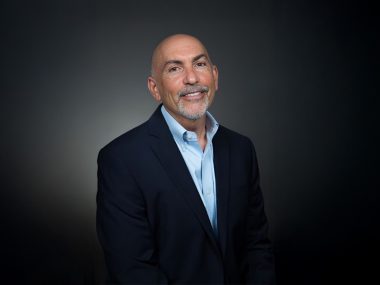
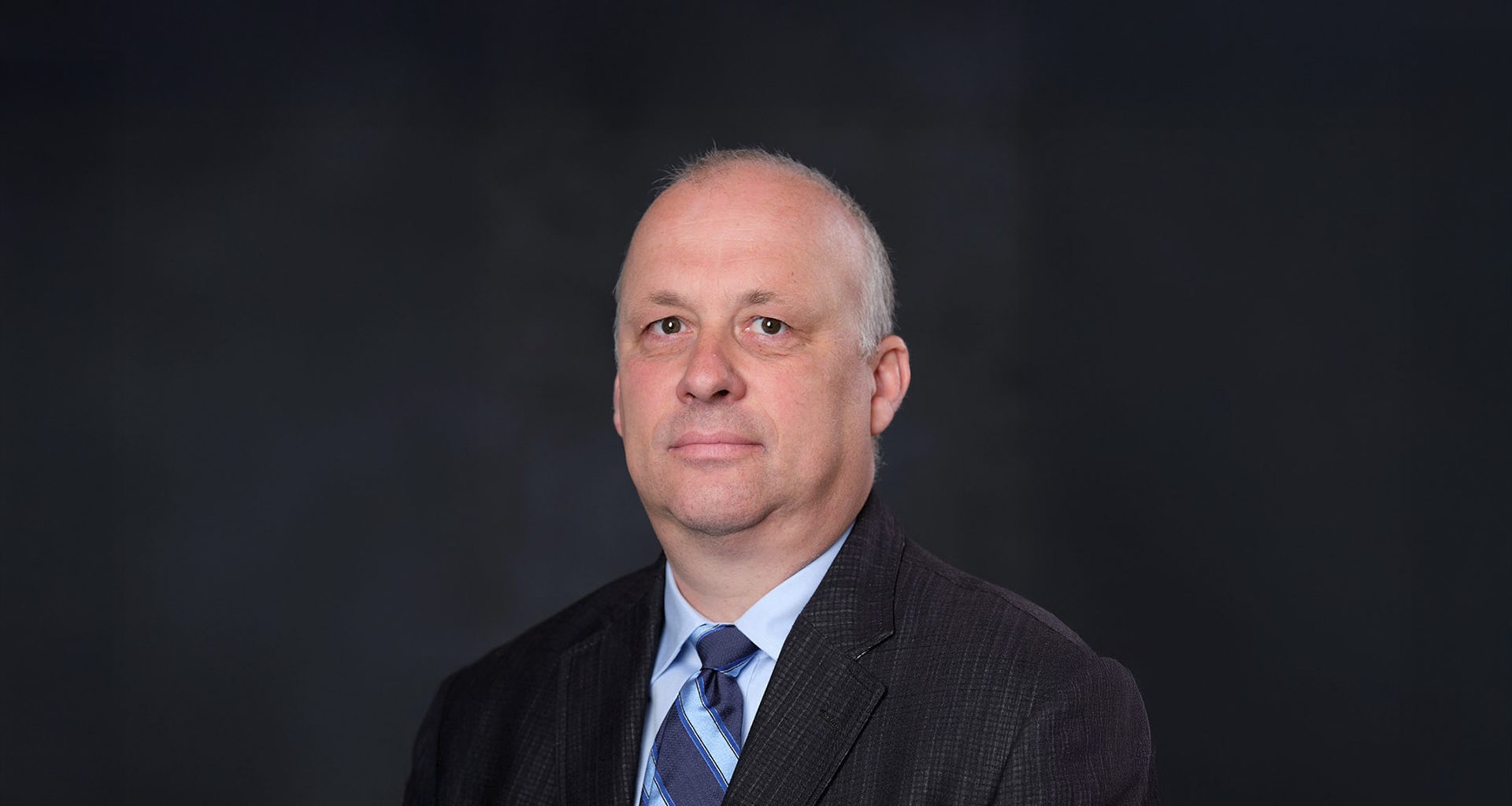
“The problem wasn’t access to video visits,” says Ronald Matteotti. “It was access to structured expert clinical review before irreversible decisions were made.” Matteotti, CEO of Trusted Telehealth®, has spent more than two decades navigating oncology as a surgeon, physician executive, and global health leader.
Over the course of his surgical oncology career, he observed the same pattern repeatedly. Patients often entered care pathways after key decisions were already in motion, without a fully synthesized understanding of their diagnosis or options. Clinical information was scattered across systems, reviewed under pressure, and rarely assessed as a complete whole.
That gap, Matteotti explains, reflects the inherent complexity of oncology data, which spans imaging, pathology, molecular results, and operative notes stored across incompatible platforms. Traditional care models are slow, geographically constrained, and poorly suited for ongoing reassessment. “Without a secure, structured way to ingest and review that data,” he says, “video alone adds very little value.”
Building Virtual Oncology the Right Way
Programs that rely on consumer video tools may increase access, but they rarely improve outcomes. Three elements, he argues, are nonnegotiable for delivering better cancer care. The first is structured data intake. Records must be categorized, validated, and prepared for physician review, not uploaded as random documents.
The second is true HIPAA-grade security architecture. That includes role-based access, audit logs, encrypted storage, and documented compliance workflows. “HIPAA isn’t a feature,” Matteotti says. “It’s a design constraint. If security is bolted on later, you’ve already lost clinical trust.”
The third element is clinician-led review. Board-certified specialists must remain accountable for synthesis, documentation, and communication. “Most programs are doing telehealth, not virtual oncology.”
AI as Infrastructure
Artificial intelligence plays a growing role in Trusted Telehealth®, but its purpose is deliberately restrained. At Trusted Telehealth®, AI is designed to support physicians, not speak for them, a principle that shapes every workflow on the platform. Matteotti envisions AI handling the invisible work that burdens clinicians, organizing records, flagging inconsistencies, surfacing clinical trial options, and ensuring no critical data is overlooked.
The payoff is time for oncologists to think, explain, and support patients. “Explaining uncertainty, aligning treatment with a patient’s values, and taking responsibility for difficult decisions has to be done by a human being,” he says. “Oncology will always require a physician at the center.”
Longitudinal Care and Global Equity
Virtual evaluations deliver the most value when they’re longitudinal, allowing specialists to revisit and refine clinical guidance as new information becomes available. Without that continuity, decisions are made in isolation rather than as part of an informed, evolving care strategy.
Cancer care unfolds through a sequence of critical moments as pathology, imaging, and disease status change, and that continuity carries important equity implications. Patients outside major academic centers often receive capable local care but lack access to subspecialty synthesis across complex data.
Virtual oncology closes that gap by making expert interpretation portable, strengthening local decision-making without displacing care teams. “You suddenly get access to top-tier academic insight that simply wasn’t available before,” Matteotti says.
Better Cancer Care
The promise of HIPAA-secure virtual oncology lies in its ability to bring confidence, clarity, and trust to moments when patients need them most. By treating security, structure, and clinical leadership as foundational, Trusted Telehealth® is working toward more equitable and consistent access to oncology expertise for cancer patients around the world.
“Virtual oncology makes expertise portable,” Matteotti says. “It extends high-quality clinical insight to patients who would otherwise never have access to it, without undermining the care they already receive.”
Unbiased Cancer Second Opinions — Physician-Led
Trusted Telehealth® delivers independent oncology second opinions from U.S. board-certified subspecialists, supported by AI but led by physicians.
Learn more at www.tth.ai
Follow Ronald Matteotti on LinkedIn or visit his website for more insights.