 Wolf&Grayson Editorial
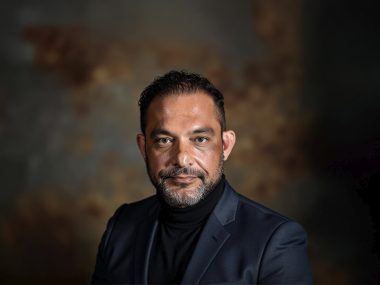
In private markets, trust is built through consistent, clear communication. Greg Talcott, Managing Director of Capital Markets at Rastegar, argues that financial transparency is the core mechanism through which capital trust is established. “Investors deserve reports every quarter that tell them something real about the state of their investment.”
This is important as expectations have shifted. Ultra-wealthy investors, family offices, and advisors now look for more than basic updates. Reporting has now become a signal of operational discipline and wealth stewardship and Talcott stresses that it must be both timely and substantive, reflecting the realities of the underlying investment. “When reporting is delayed or vague, investors start to wonder whether there is a bigger issue behind the scenes,” he says.
Reports should also connect to the broader capital strategy, linking short-term developments to long-term objectives. Within alternative investments, where information gaps can be significant, leaders who prioritize clarity build lasting institutional credibility. Without that alignment, even strong performance can fail to translate into sustained investor confidence.
Aligning Communication With Long-Term Capital Strategy
One of the most common breakdowns in investor relations occurs when communication is disconnected from the life cycle of the investment. “Reporting has to be relevant to the five- to ten-year plan. Investors want to know where the project stands in terms of that plan, not just a snapshot of this quarter’s numbers.”
This is particularly important for private markets, where variables such as construction delays, cost fluctuations, and macroeconomic shifts can alter timelines and returns. Leaders who contextualize these changes within a defined strategy reinforce institutional credibility. For family offices and ultra-high-net-worth (UHNW) investors, this level of transparency is now the baseline for engagement. Clear communication around both progress and setbacks demonstrates a commitment to capital stewardship that resonates across investor types.
Education as a Driver of Long-Term Investor Retention
Talcott views investor education as a critical component of investor confidence, particularly for those entering alternative investments for the first time. “Education is key for newer investors. They need to understand what the process looks like, what the expectations should be, and what the timeline realistically involves.”
Experienced investors may already understand market cycles and risk structures, but they still require consistent communication to remain aligned. Less experienced participants, including many within the growing base of family offices and quasi-institutional investors, face a steeper learning curve. Setting expectations early reduces friction later and supports long-term investor retention.
A significant portion of capital comes from existing relationships and referrals rather than new acquisition. Building trust with family offices through transparency is not simply a relationship strategy. It is a core driver of sustainable growth.
Closing the Transparency Gap in Alternative Investments
The expansion of private markets has introduced new participants, including retail and emerging UHNW investors, into an ecosystem that has historically lacked standardized reporting practices. Talcott sees this as a defining challenge for the industry. “In the private space, reporting is all over the place. That has to change.”
Unlike public markets, where regulatory frameworks enforce consistency, alternative investments operate with wide variability in how information is shared. This inconsistency creates a knowledge gap that can undermine investor confidence, particularly among those without institutional experience, and points to the need for reporting that goes beyond surface-level metrics. Transparency must extend to projections, assumptions, and execution against stated plans. Without that level of accountability, the industry risks weakening its own institutional credibility at a time when access to private markets is expanding.
Transparency Defines the Future of Capital Strategy
At its core, financial transparency is about aligning expectations, reinforcing trust, and enabling informed decision-making across the investment lifecycle. For Talcott, the stakes extend beyond individual deals. “This is costing the industry in trust and transparency.” As private markets continue to attract UHNW investors, family offices, and registered investment advisors (RIAs), the role of transparency in alternative investment strategy will only become more critical.
Leaders who embed financial clarity into their capital strategy will be better positioned to retain investors, attract institutional capital, and navigate periods of uncertainty. The result is a more resilient model of wealth stewardship, one that prioritizes long-term relationships over short-term optics. In an environment where capital trust determines access and scale, transparency must be the standard.
Follow Greg Talcott on LinkedIn or visit his website for more insights.