 Wolf&Grayson Editorial
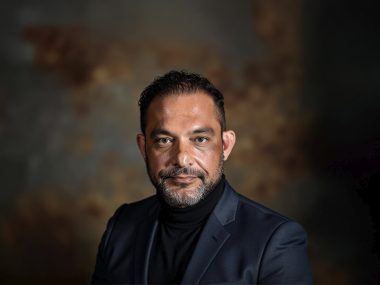
Handing leadership development to HR looks like delegation. Javier Castillo Gil says it functions as something closer to a vanishing act. HR accepts the assignment and does the work it can, while lacking any authority to change how a department actually develops its people. Line leaders, seeing the work assigned elsewhere, conclude the quality of their bench is not their concern.
“It’s a blaming game,” Castillo says. “Nobody ends up being accountable for it.” Castillo Gil is Co-Founder and Managing Partner of The Morphing Group, and author of When You Are Not in the Room. As an executive advisor who works with leadership teams on strategy execution, he has watched this pattern hold across organizations that would never tolerate it anywhere else. Responsibility landed with a function that cannot enforce, and authority stayed with executives who no longer consider themselves responsible. Separate those two things and accountability does not move. It disappears.
A Sustainability Problem Wearing an HR Label
“Leadership development is not a human development problem,” Castillo says. “It’s a sustainability problem.” The question underneath it is whether a company can execute its strategy over time, which requires the right operating model, the right architecture, and the right people running it.
Put that way, ownership becomes obvious. No one would suggest HR is responsible for the long-term viability of the enterprise, yet the leadership system that determines whether a strategy can be executed sits inside that same question. HR sets the rules, builds the frameworks, and establishes the standards; all of it necessary. Ensuring the system actually produces the leaders the company needs is work only the C-suite can own.
The Tell Is How Executives Talk About People They Do Not Manage
Castillo listens to how a leadership team discusses talent beyond their own direct reports. An executive who owns development can speak about people across functions with the same precision they bring to business results, naming behaviors, capabilities, and achievements rather than gesturing at performance.
Frequency is the second signal. Talent discussed once a year during a review cycle is a compliance exercise. The third and most demanding is the stretch assignment, which Castillo considers the C-suite’s distinctive instrument. Developing someone inside their own function is straightforward. Placing them on a project that cuts across the organization requires executives willing to lend their best people to another area, and that happens only when the leadership team is invested in what an individual needs rather than what their own function needs from them.
Define It and Measure It Before Anyone Trains Anything
When a leadership gap appears, the instinct is to commission a program. Castillo watches clients reach for one before answering the questions that need to be asked first: “What does leadership mean in this company?” and “What does it look like in the actual execution of the role?” Agreement on that comes first, followed by aligning the measurement system to those expectations.
Leaders can be taught to coach, give feedback, develop their teams, but if the system measures none of those things, the system wins. This is why Castillo is unimpressed by the promise of AI as an instant coach for every manager. It supplies frameworks and structure, and operates on what it is given. “AI amplifies the system you already have,” he says. Without a defined leadership model and aligned measurement, it accelerates whatever is already there, in whichever direction that runs.
The risk runs deeper than a poorly calibrated tool. Handing coaching or mentoring to AI is the same move as handing it to HR: the leader delegates the role instead of performing it. AI can support development. It can’t replace the leader who’s supposed to be doing it.
The alternative to owning this is buying leaders from the market, which Castillo does not dismiss nor consider free. Companies that develop their own retain institutional knowledge, avoid the friction of cultural alignment, and spend less doing it. Those companies are rare, in his experience, and what separates them is not a better program, but leadership accountability. Someone with the authority to change the system decided the outcome belonged to them. To learn more about building leadership systems that sustain strategy execution, connect with Javier Castillo Gil on LinkedIn or follow him on YouTube at @JavierCastilloGilAuthor.