 Wolf&Grayson Editorial
The most enduring destinations influence people, shaping how they move through a space and how they feel while there. As brands continue to invest millions in properties, audiences have become more selective and more attuned to value beyond aesthetics. Even the most ambitious properties risk becoming empty showpieces rather than places people return to and willingly pay a premium for if they underestimate the emotional appeal that helps guests connect with a place.
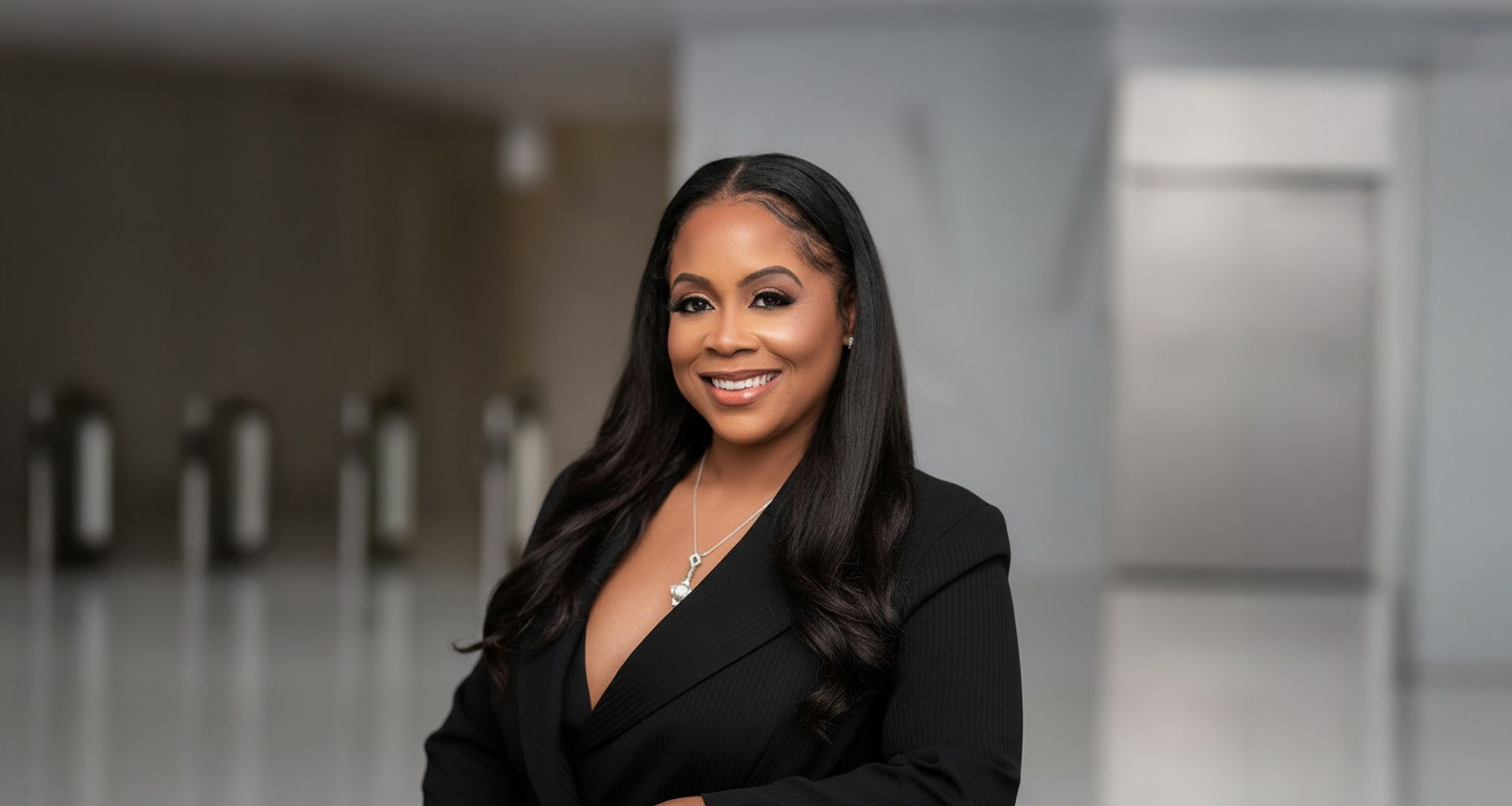
“Creation is emotion in motion,” says Kristyl Nelson, President and Global COO of Kindah Capital Group. “Design can change how you feel, just like art does. That is what true luxury is. Not a price tag, but an experience that lingers and has meaning.” Nelson has spent more than a decade in luxury real estate and oversees complex hospitality and mixed-use developments across the United States, the Caribbean and the Middle East. Her work sits at the intersection of culture, wellness and operational discipline, a balance she believes is essential to modern luxury.
Redefining the Purpose of a Flagship
Nelson’s early career spanned quality childcare center development, hospitality operations, multifamily development and brand-led environments. Over time, her definition of a successful flagship has shifted. “There was a time when I thought a flagship worked when it looked expensive and made people stop to take photos,” she says. “Now I know the real win is when the space changes behavior, when people linger, feel something and want to come back.”
This evolution reflects a broader recalibration in luxury with consumers less interested in excess and more drawn to intention and emotional resonance. A flagship property must now earn its relevance daily through how it functions and how it makes people feel. The aesthetic is only the surface layer. What determines success is the operational engine beneath it: how guests move through the space, how staff are trained and deployed, how systems support consistency at scale, and how the story is reinforced through every touchpoint without friction.
Designing for Cultural Meaning
Rather than amplifying what a brand wants to say, Nelson focuses on what an audience needs to experience. “What does this community need to feel right now?” Nelson says. Belonging, wellness, pride, nostalgia and aspiration all shape the emotional brief long before drawings are finalized.
From there, cultural meaning is embedded through local cues that feel intuitive rather than imposed. Music, scent, layout and ritualised guest interactions become practical tools for connection, shaping how people experience a space from arrival to departure. Luxury, in this sense, has shifted away from access alone towards harmony and precision, with research consistently showing that people are more likely to support brands that reflect their values, reinforcing the commercial logic behind emotionally intelligent design.
Where Bold Ideas Survive or Fail
A flagship project often begins as a collision of perspectives. Designers chase creative expression, brand strategists protect narrative, operators worry about feasibility, and investors focus on returns. Nelson brings these voices into alignment by insisting on three conversations early in the process. The first centres on emotional promise. “If someone leaves feeling only one thing, what is it?” she asks. The second is operational truth, whether teams can run the concept beautifully and whether it can scale without breaking. The third is investor and brand value, what the space proves about credibility, innovation and legacy.
“Ideas are everywhere. Execution is rare,” Nelson says. By tying concepts to dwell time, repeat visits or brand lift, creative risk becomes strategy rather than speculation. Emotion may drive decisions, but disciplined metrics ensure those emotions translate into long-term value.
Building for Ritual, Not Trends
Looking ahead, Nelson sees flagship properties evolving into ritual spaces rather than transactional ones. “The next generation of flagships will be places people return to because they anchor identity,” she says. Wellness, presence and community will matter more than novelty.
Artificial intelligence will play a role, predicting movement, personalising experiences and optimising layouts in real-time. “AI should enhance the ritual, not overpower it. It should protect the soul of a space, not replace it.” The goal is endurance, not trend chasing. Destinations built on systems and meaning are more resilient than those built on spectacle alone.