 Wolf&Grayson Editorial
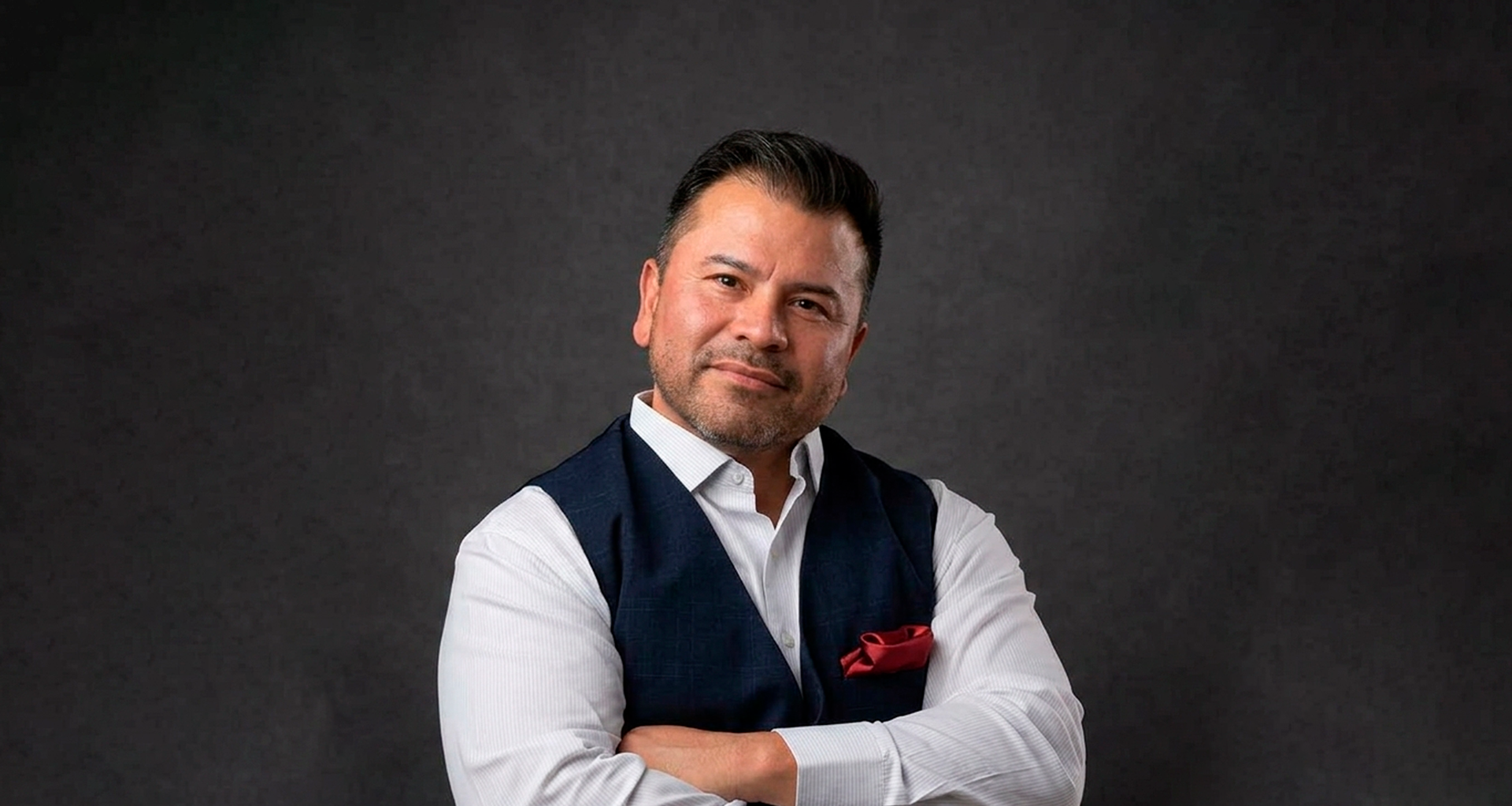
For many investors, life insurance is seen as a safety net, purchased to provide financial protection for loved ones. David Michael Mares, President and Founder of Socius Wealth Management, believes that perspective misses a much bigger opportunity. Used strategically, life insurance can become an integral part of a broader wealth strategy, helping create retirement income, improve tax efficiency, and provide greater financial flexibility over the long term. “Most people view life insurance as an expense or even simply a death benefit,” says Mares. “We view it as a financial asset.” Successful retirement is measured by the income people can confidently spend, not the size of their investments.
Cash Flow Matters More Than Net Worth
Traditional retirement planning often centers on accumulating the largest possible investment portfolio. Mares believes that approach overlooks the question that matters most: how much income will actually be available after taxes. “Retirement isn’t about measuring how much you’ve actually accumulated,” he explains. “It’s measured by how much income you can confidently spend.”
Many professionals, executives, and business owners have built substantial wealth inside tax-deferred retirement accounts such as 401(k)s and traditional IRAs. While these accounts offer valuable tax advantages during accumulation, every withdrawal in retirement creates taxable income. That future tax liability can significantly reduce spendable cash flow over a retirement that may last 30 years. For Mares, financial clarity begins by shifting the conversation from net worth to cash flow. A smarter wealth strategy prioritizes reliable, tax-efficient retirement income that supports the lifestyle clients have spent decades building.
Turning One Dollar Into Multiple Opportunities
At the center of Mares’ approach is what he calls “dual-purposing the dollar,” an approach that seeks to make existing assets accomplish several financial objectives simultaneously. “The goal is simply the same,” he says. “We allow one dollar to accomplish multiple financial objectives.” Mares positions life insurance as part of a coordinated wealth strategy. Properly structured solutions may create cash value that supports future retirement income, while also providing liquidity, protecting families, preserving wealth, and supporting business continuity.
“Clients are shifting their ask from, ‘Where should I invest more money?’ to, ‘How can the dollars I already have work harder?'”
Building Untaxable Retirement Income Through Tax Diversification
“Most Americans have concentrated their retirement savings inside of a tax-deferred account, creating what I call a future tax liability rather than simply a retirement account.” His retirement income strategies focus on building multiple sources of retirement income that receive different tax treatment. By strategically repositioning certain assets over time, clients may create additional sources of untaxable income while reducing dependence on fully taxable retirement distributions.
“The more tax buckets you have, the more control you’re going to have over retirement.” For executives and business owners, these same principles can also strengthen corporate planning. Tax-efficient life insurance strategies may help reward key employees, improve business flexibility, and contribute to long-term enterprise value while supporting broader retirement income planning.
Flexibility Is the Ultimate Retirement Advantage
The real measure of success is creating retirement income that allows individuals to enjoy the wealth they have accumulated while minimizing unnecessary tax exposure. No one can accurately forecast future tax legislation, market performance, or economic conditions. What investors can control is the flexibility built into their financial plan.
“We don’t know exactly what future tax rates are going to be,” Mares says. “But we do know flexibility has tremendous value.” That flexibility extends beyond retirement distributions. Strategic planning can also support estate planning, business succession, wealth preservation, and greater control over when and how income is recognized throughout retirement. “Our objective isn’t simply helping clients build wealth,” he says. “It’s helping them create more spendable income, more tax efficiency, and more control over every dollar they’ve worked so hard to earn.”
Follow David Michael Mares on LinkedIn or visit his website for more insights on retirement planning, wealth strategy, and tax-efficient income solutions.