 Wolf&Grayson Editorial
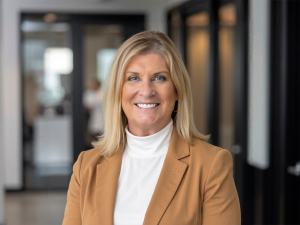
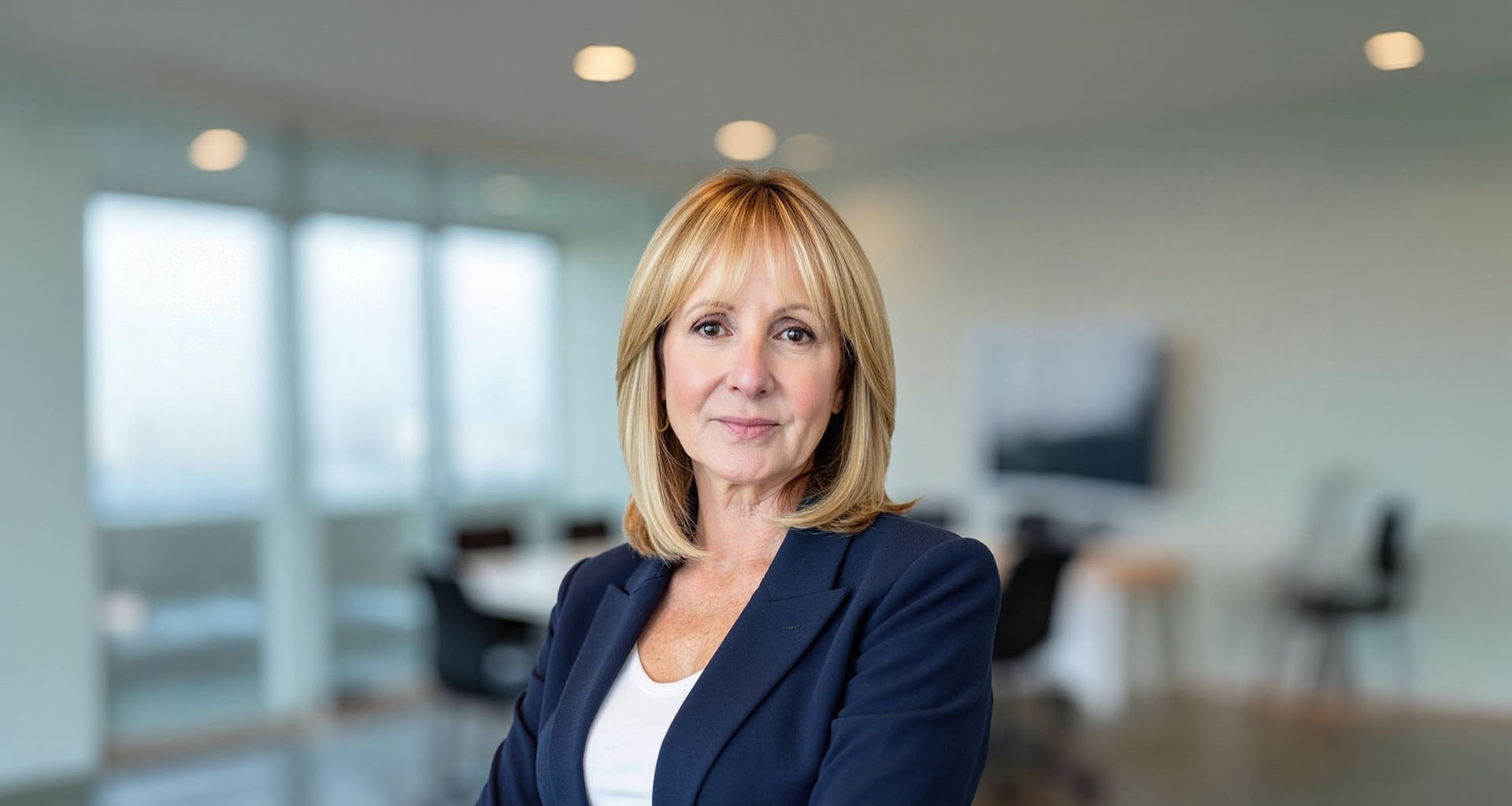
For many founders, HR begins as an extension of entrepreneurship itself. Hiring, onboarding, employee issues, and culture all flow through the same person building the business. It’s a model that works in the early stages, but growth eventually exposes the cracks. “Most growing businesses are doing a lot right,” says Julianne Prizant, President and Founder of OptiPeople Resources. “Growth just starts to outpace structure.” Prizant has spent more than three decades helping organizations build scalable people systems that align with business growth. Her work focuses on turning HR from a reactive support function into a strategic driver of performance.
In her experience, companies often wait too long to evolve their people infrastructure, only recognizing the problem once leadership becomes consumed by operational friction. “One of the biggest signs is when leaders realize they’re spending their day blocking and tackling instead of driving the business,” she says. “They get stuck in the weeds of transactional HR work, and they were never meant to be doing that.”
When Growth Starts Outpacing Structure
As organizations grow, hiring decisions happen quickly, responsibilities expand organically, and managers absorb more oversight without clear role definition. What once felt agile begins creating confusion. Prizant compares it to adding cars onto a moving train. “The more cars you add on, the harder it is to stop and think first,” she says. “People keep getting hired or problems keep getting solved on the fly, and nobody is actually looking at the full picture because everyone is trying to keep up with the pace.”
That shift creates a common but costly pattern where HR becomes defensive instead of strategic; teams spend their energy responding to issues rather than building systems that prevent them. “HR should become the strategic arm of the growth plan, not a reactive one,” Prizant says. “If you don’t have the people going along with you, you’re not going to be successful. It doesn’t matter how great the idea is.”
Building the Foundation Before Scaling
When Prizant steps into a founder-led company without a formal HR infrastructure, her first priority is protection. “The non-sexy part of HR is compliance, but it’s critical,” she says. “You have to protect the business so you can build it.” Most growing organizations have gaps in policies, documentation, and employment practices that create unnecessary risks. Closing those gaps establishes the foundation needed for sustainable growth. At the same time, Prizant works to understand how the business actually operates. She examines how revenue is generated, how teams function, and whether employees understand their roles and growth paths.
In many cases, well-intentioned leaders unintentionally create organizational confusion by continuously expanding responsibilities without creating structure around accountability or success metrics. “They genuinely care about their people,” Prizant says of her clientele. “But as they grow, they keep adding things onto employees to create opportunities, and eventually there’s confusion about who does what and what success actually looks like.” Clear role alignment, measurable expectations, and transparent growth pathways create an environment where employees can contribute more effectively while leaders regain operational focus.
High-Performing HR Systems Drive Business Results
Many executives misunderstand what an HR system actually is. Technology platforms such as Workday, Gusto, or Paychex are tools, but they are not the system. “When I talk about an HR system, I’m talking about how everything connects,” she says. “How are people connected to growth and operations?”
Strategic HR teams work backward from business goals. They identify what the organization needs to look like six months, one year, or two years from now and align talent decisions accordingly. “A high-functioning HR system starts with the business strategy and then works backward,” Prizant says. When that alignment exists, hiring decisions become more intentional, development investments become measurable, and performance conversations become meaningful rather than procedural. “One keeps things running,” she says. “The other keeps things growing.”
The Human Judgment AI Cannot Replace
As AI and automation reshape business operations, Prizant sees enormous opportunity for HR leaders willing to embrace data and technology. She also believes companies risk overestimating what automation can solve. “The important question isn’t just having data,” she says. “It’s asking, ‘So what?’”
Prizant recently completed a large organizational alignment project using visual AI-enabled tools that dramatically accelerated analysis and planning. Tasks that once required hours of manual work became significantly faster and more dynamic. Still, she emphasizes that technology cannot replace interpretation, judgment, or leadership. “Data can tell you engagement scores are dropping,” she says. “It can’t tell you what’s really going on inside the business or what to do about it.” The organizations gaining the greatest advantage are the ones using technology to remove transactional burdens while strengthening strategic human capability.
Intentional People Systems
As businesses face faster pivots, evolving workforce expectations, and increasing complexity, Prizant believes HR must become both agile and anticipatory. “You don’t build HR infrastructure for HR’s sake,” she says. “You build it so the business can focus on growth and spend less time on people issues.” The strongest people systems are intentional by design. “Great people systems don’t happen organically,” Prizant says. “They happen by design.”
Follow Julianne Prizant on LinkedIn for more insights.