 Wolf&Grayson Editorial
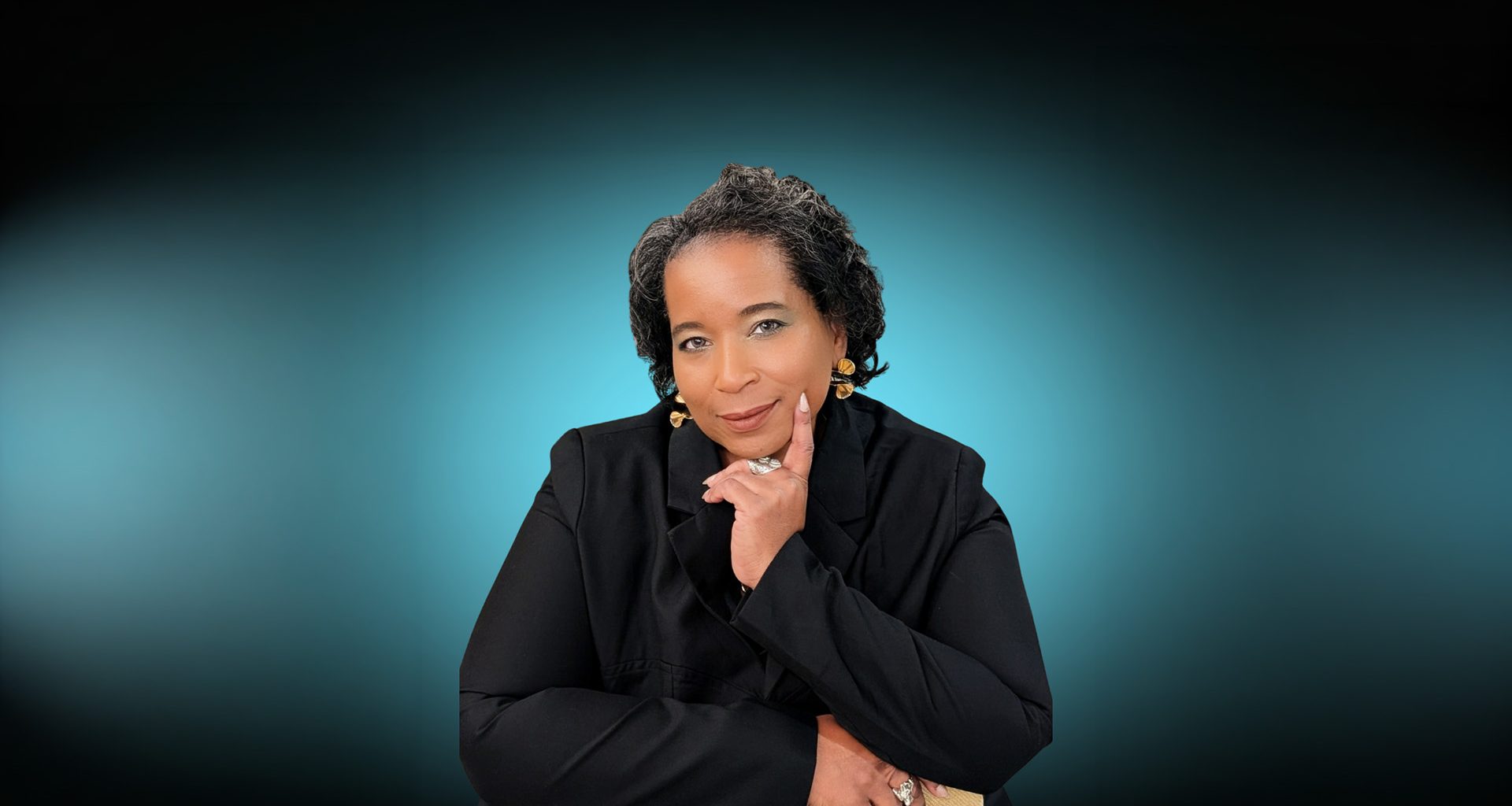
Project controls firms have a visibility problem. They do essential work and then disappear back into the background while larger firms take the credit. Thalia Andre-Noel, who has led marketing, branding, and operational development at McKnight International for three years, decided that invisibility was not a strategy. Her approach to rebranding a project controls firm in a crowded architecture, engineering, and construction (AEC) market is grounded in a conviction that presentation without substance fails, and substance without presentation goes unnoticed. “You could do project controls all day, all night,” Andre-Noel points out. “If no one knows you’re there, no one can come knocking.”
A Rebrand Has to Be Earned, Not Just Announced
McKnight International’s rebrand began with a logo that had grown stale, no longer reflecting what the firm was or how it wanted to be perceived. The goal was specific: a firm that looked like it had been operating with authority for a decade, not one that opened last year.
Andre-Noel extracted keywords from multiple conversations with the owner about what McKnight truly meant to him and used them to shape the firm’s visual identity. The color palette was locked in with a clear intent; anyone who saw those colors would immediately associate them with McKnight International. But the visual refresh was only the surface layer. “We’re not just a pretty face,” Andre-Noel reflects. “Workhorses have to have processes in place that make things seem seamless.”
She backed the rebrand with operational transformation that gave the new identity credibility. Teaming request turnaround time was reduced from three weeks to three days. As McKnight moves into priming, she is working to implement a process that could produce a full request for proposal (RFP) within 3 days to 1 week, a significant achievement given the extensive requirements of government and infrastructure proposals. LinkedIn was managed through a deliberate, process-driven strategy that generated measurable market visibility where almost none had previously existed.
Value-Add Positioning in a Market That Does Not Always Know It Needs You
Project controls occupies an awkward position in the AEC market. Andre-Noel puts it directly: the profession is not always welcomed. “We’re the accountants, in a sense. The gatekeeper and the timekeeper. No one wants to hear about budget constraints or schedule impacts.” Yet those conversations are precisely what keep infrastructure projects from falling apart. The positioning strategy Andre-Noel built for McKnight acknowledges that tension rather than avoiding it. For stakeholders already familiar with project controls, the message reinforced the necessity. For those who were not, it educated them.
The common thread was value; positioning McKnight not as a professional services provider occupying a line item in a budget, but as a demonstrable asset to the larger firms for whom it operates as a subcontractor. Direct access to leadership when problems arise, immediate responsiveness rather than redirection, and accountability without layers became the brand differentiators that a larger firm structurally could not replicate. “If there’s an issue, you have a direct line of communication to the owner or to me,” she notes. “We don’t pass it off to somebody else.”
Planning 5 to 10 Years Ahead
Andre-Noel thinks in long cycles. Every process she installs is designed to scale without friction as McKnight grows; built for where the firm is heading, not just where it is. The next major shift she sees coming is analytics. Infrastructure capital improvement programs are increasingly requesting dashboards and visual reporting tools rather than printed line-by-line reports.
The volume and speed of current projects make traditional reporting impractical. Presenting the same data through interactive dashboards is more efficient and far more accessible for stakeholders, and firms that build that capability now will hold a meaningful competitive advantage when the demand fully arrives. A rebrand that is only skin-deep fails when the market looks more closely. The firms that stand out in AEC are the ones that make the brand a reflection of how they actually operate, and then make enough noise for the market to notice both.
Follow Thalia Andre-Noel on LinkedIn for more insights on AEC branding, project controls positioning, and building the operational foundation that makes a rebrand earn its place in the market.