 Wolf&Grayson Editorial
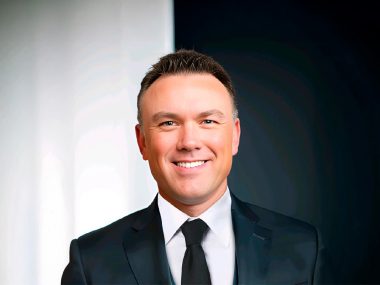
Most executives view commercial real estate as a painful line item on the profit and loss statement, which makes sense given that it can swallow up to 15 percent of total company earnings. But treating physical space as just a fixed cost to chop down is a major missed opportunity. Commercial real estate advisor Charles P. Laginestra works with leadership teams to flip that logic on its head. In his view, the square footage an executive commits to should work directly as an engine for recruitment, culture, and long-term business scale.
Designing Space for Talent and Scale
When leaders look for office space, they usually start by counting desks and estimating headcounts. Laginestra pushes executives to step back and think about the identity they want to project to future hires. “Your office environment is a direct expression of your company culture, and in a talent market where top candidates have options, that matters more than ever,” he explains. “The leaders who treat real estate as a living part of their business strategy, not a line item to be managed, are the ones who build environments where people actually want to show up.”
Hiring targets move fast, and locking a company into a rigid layout creates major headaches down the road. Winning strategies build in room to breathe right from the opening negotiation. “The space decisions you make today need to accommodate the organization you will be in three years, not just the one you are today,” says Laginestra. That means looking at lease duration, floor plan layout, and geographic location through the lens of workforce planning rather than short-term convenience.
The Hidden Numbers Behind Base Rent
Even financially sharp executives routinely get blinded by the headline rent number on a flyer. Once you add operating fees, utility bills, yearly rent hikes, and architectural build-outs, the real price tag looks very different. “I’ve seen companies sign leases based on a number that looks manageable, only to realize six months later that their all-in cost per square foot tells a very different story,” Laginestra points out. Missing those extra line items early on quickly turns an affordable lease into a heavy drag on cash flow. Fit-out delays and ballooning construction costs also catch tenants flat-footed. Permitting alone can stall a move-in by months, which erodes a company’s leverage if its current lease is expiring. “Waiting too long before entering the market costs companies valuable leverage at the negotiation table for renewals and relocations alike,” notes Laginestra. The only way to avoid that crunch is to run architectural planning and contract talks side by side.
Negotiating a commercial lease goes much more smoothly when you understand what the building owner is dealing with behind closed doors. Having worked on the landlord side of the business, Laginestra knows where owners will bend and where they will dig in their heels. “When you’ve sat where the landlord sits, you stop guessing about their motivations; you know them,” he says. That background allows tenants to spot unwritten pressure points in a deal and ask for concessions at the exact right moment. Every negotiation has a limited amount of room to push before talks break down. Spending that leverage on minor contract language is a common mistake that distracts from core business priorities. “Understanding what a landlord needs to say yes means I can structure proposals that don’t stall, don’t create unnecessary friction, and get my clients into their space on the terms and timeline they need,” Laginestra says. Knowing what the owner values allows tenants to give up small points in order to win on major operational terms.
Navigating Market Tiers and Fiduciary Representation
Manhattan’s current office market is deeply split between top-tier towers and older buildings. Class A spaces command sky-high rents, but an early-stage company or growing mid-market business rarely needs that level of prestige to succeed. Owners of Class B properties are hungry for deals, offering heavy discounts, generous construction cash, and flexible terms. Laginestra is direct about the trade-off: “Prestige has a price, and it has to earn its place in the strategy.”
This market split makes picking the right representative essential for any expanding business. Traditional brokers often steer clients toward pricier buildings simply to collect larger commission checks, while a true fiduciary protects client capital. “The worst brokers cost just as much as the best advisors, but over the course of your lease you will pay in hidden costs for the deficiencies of the worst brokers,” Laginestra emphasizes. A good advisor will happily tell a client to take a cheaper space if it makes better financial sense for the company.
The Silent Shift Reshaping Office Demand
While AI firms grab headlines by snapping up huge blocks of Manhattan office space, a quieter shift is happening across other industries. Law firms, financial institutions, and media companies are using modern software to do more work with fewer staff members. “Companies in those sectors are doing more with fewer people, and their space needs are contracting as a result,” Laginestra explains. That dynamic is freeing up inventory and changing how office footprints are distributed across the city.
Smart business leaders are already adjusting their real estate footprint to match these workforce realities, instead of relying on old headcount models. Holding onto empty desks is an expensive habit that drains capital away from product development and core operations. “The leaders who get ahead of this shift, who are honest about how AI is reshaping their organization and build their real estate strategy around that reality, will have a meaningful advantage over those who are still planning around assumptions that no longer hold,” Laginestra concludes. Getting real about future space needs today is what keeps a company nimble for tomorrow.
Follow Charles P. Laginestra on LinkedIn for more insights on commercial real estate strategy, workplace optimization, and aligning physical space with business growth.