 Wolf&Grayson Editorial
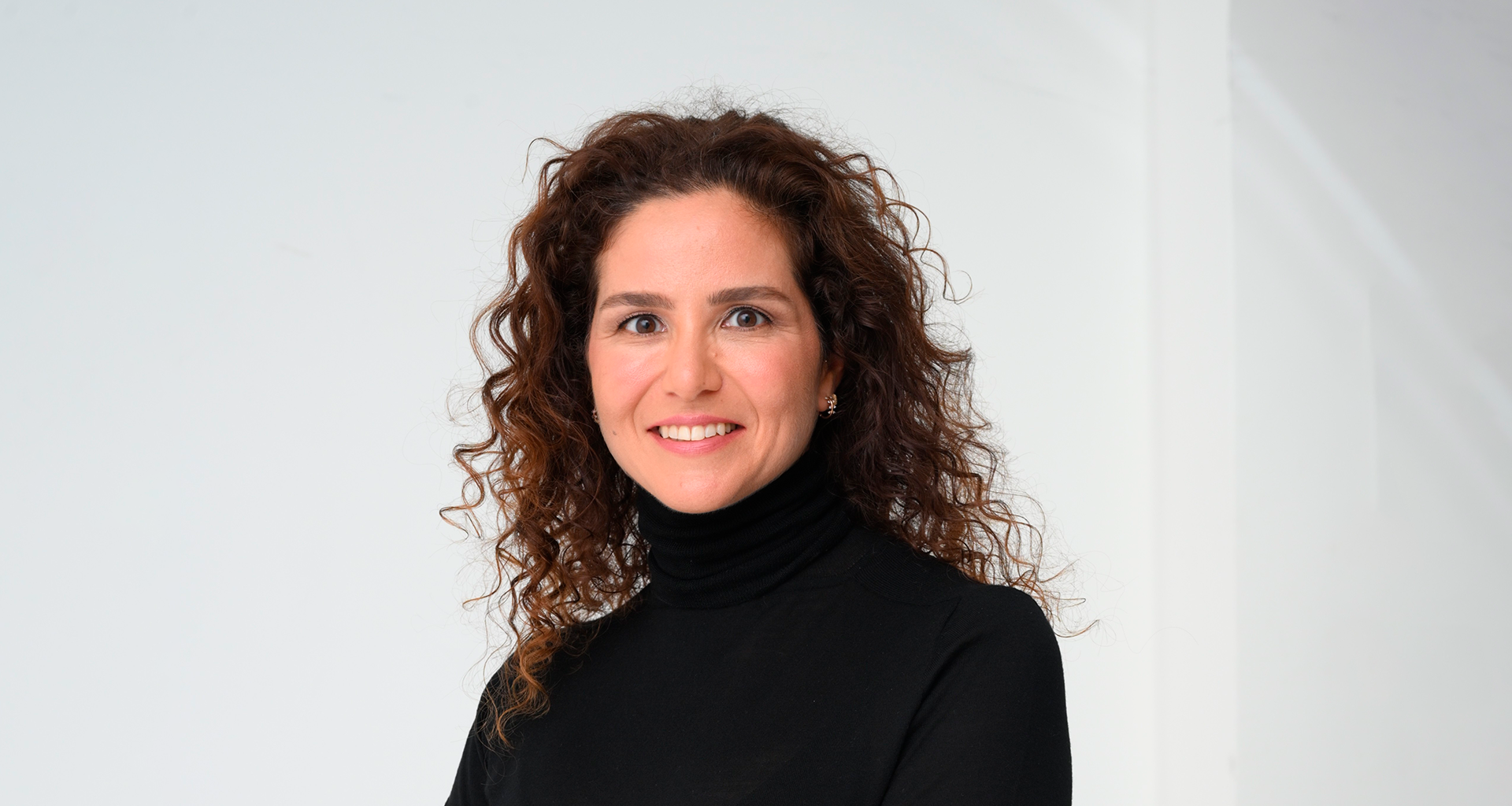
Professionals normally measure career progress against a simple formula built for another century: finish school, climb a single ladder, and retire at 65. With longer lifespans and rapid shifts in technology, that predictable arc no longer serves either executives or the companies employing them. Gamze Dinckok Yucaoglu Co-Founder What’s Next Initiative, addresses this growing tension in her upcoming book, Many Lives of Work, introducing what she calls a perennial career framework. Her approach encourages leaders to see their professional lives as a series of evolving stages rather than a straight line with a single finish line.
Moving Beyond the Linear Career Path
Throughout the 20th century, workers gathered credentials early and applied that knowledge until retirement. Today, technical knowledge dates quickly, requiring continuous learning across a four- or five-decade working life. “The linear career model that we are living with was constructed for a different time,” Yucaoglu explains. “The age of longevity calls for a new model. Learning needs to be interspersed in our work, and we believe that our work can have many lives and should evolve with us.”
To better describe this continuous evolution, Yucaoglu looks to perennial botany, where plants return each year from the same root system even after long winter pauses. In corporate environments, gaps or transitions are frequently mistaken for lost momentum or professional failure. “Dormant periods, pauses, and reinventions are natural parts of a career,” Yucaoglu points out. “They are not interruptions or failures. We think the linear career framework has expired; the age of longevity calls for a new framework, and careers will be perennial.”
Navigating the Mid-Career Pause
For seasoned executives, pausing to reconsider the next chapter often triggers deep discomfort. Having spent decades managing teams and executing strategic plans, these leaders have built their reputations on certainty and speed. “When they embark on a career transition, that territory naturally comes with not knowing the answers,” Yucaoglu notes. “These people have been doubling down on efficiency navigating highly demanding jobs and schedules. A career transition calls for slowing down, introspection, and embracing the unknown.”
Instead of jumping into the next available executive role, Yucaoglu encourages leaders to approach career transitions with structured experimentation and curiosity. This exploration might involve part-time advisory roles, small consulting projects, or testing an idea for an early-stage company. “It’s okay not to know the answers, it is not about finding a next career as fast as possible,” says Yucaoglu. “Instead, slowing down and reconnecting with self helps people reignite their sense of wonder.”
Treating Skills as a Dynamic Portfolio
A major pillar of the perennial mindset involves detaching professional identity from job titles or specific employers. When leaders define themselves solely by their current title, any shift in their company or industry can feel like an existential crisis. “One of the core pillars of a perennial career is that it’s iterative,” Yucaoglu emphasizes. “You never arrive. You’re always becoming. So, we want people to think of themselves as their skills, and not as their titles, industries, or companies.” Thinking in terms of modular capabilities allows workers to assemble their experience differently as their personal priorities change. Life events such as raising children, caring for aging parents, or entering an empty-nest phase alter how much time and energy a person can commit to full-time corporate demands. “The perennial career allows you to add to your skill portfolio and then combine them in different mixes “Yucaoglu explains.
The broader workplace is feeling the effects of these demographic and technological shifts at both ends of the career spectrum. While automated software handles many of the introductory tasks once assigned to young graduates, senior employees are staying in the workforce much longer than previous generations. This combination threatens to create structural bottlenecks unless organizations design clear pathways for internal mobility, advisory work, and flexible assignments. Without new systems in place, companies risk losing valuable institutional knowledge while failing to integrate entry-level talent. To stay competitive, organizations must adapt to manage what Yucaoglu describes as a five-generation workforce. Pairing experienced managers with younger employees creates opportunities for two-way mentorship, blending deep organizational insight with fresh technical fluency. “Organizations risk losing people they have invested in if they do not create opportunities for these wise professionals who know the company,” Yucaoglu observes. “They need to create an environment where five generations can work together, which brings diversity and richness to the organization.”
Follow Gamze Dinckok Yucaoglu on LinkedIn for more insights on the perennial career framework, navigating professional transitions, and managing a multi-generational workforce.