 Wolf&Grayson Editorial
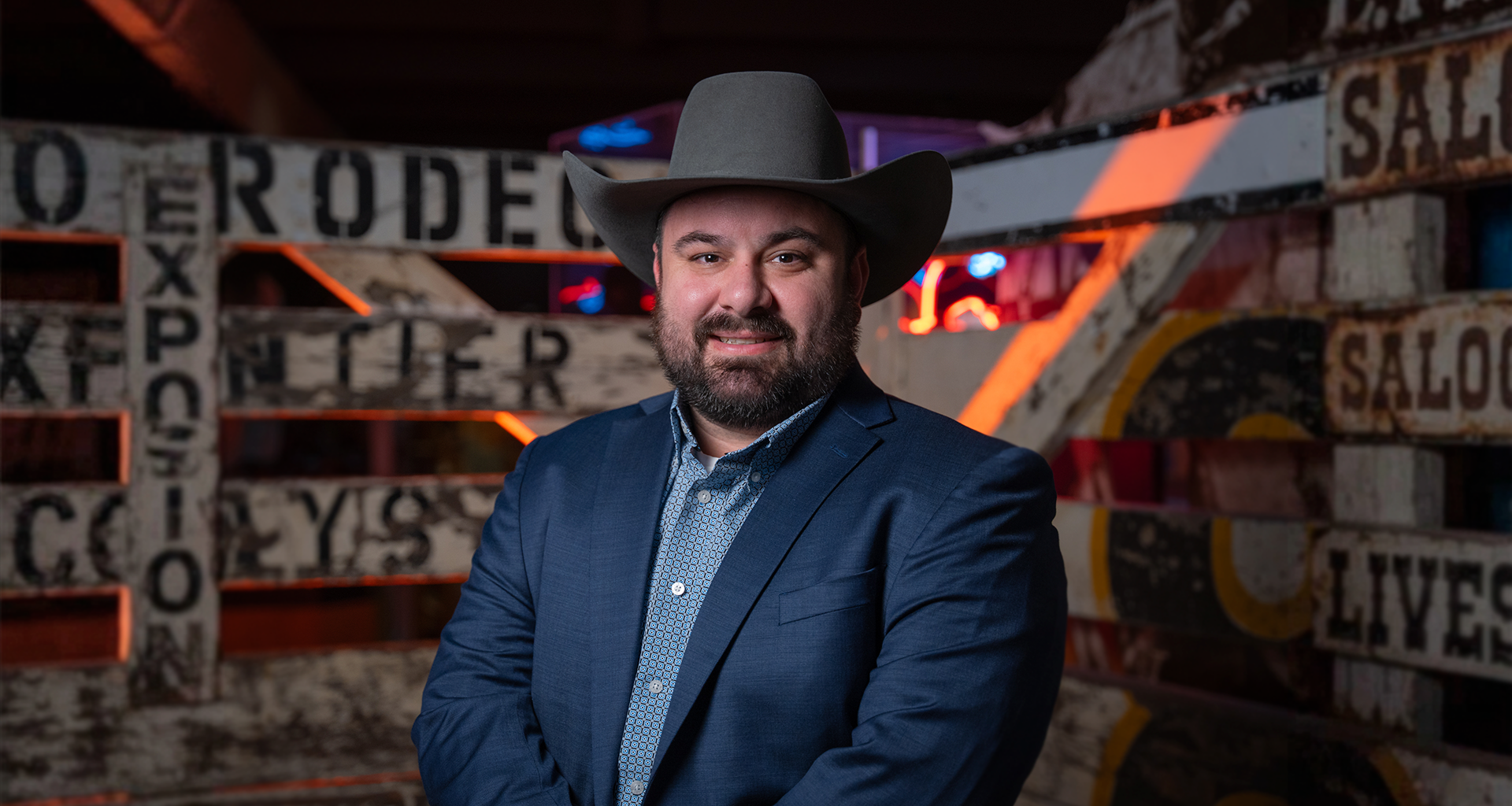
Sponsorship revenue is the easiest number for a sports property to report and the least useful one for predicting whether the business survives the next decade. A rodeo committee, a league, a regional event series can post a record year and still be fragile, because the money came from relationships that live in one person’s phone, on terms that expire in 12 months, measured by nothing a brand’s finance department would recognize. Kevin Kersey, who has negotiated partnerships at the Professional Rodeo Cowboys Association and Rural Media Group and founded the Rodeo Committee Leadership Association, argues that the properties winning national budgets are the ones that stopped treating sponsorship as fundraising and started treating it as a business function. That distinction sounds academic until a property loses its commercial director and discovers nobody else knows how the partnerships actually work.
What Growth Really Measures
Kersey’s definition of long-term growth deliberately sidelines the headline figure. “Long-term commercial growth is about building an organization that generates sustainable revenue, delivers measurable value to its partners, and continues to grow beyond any one event, season, or individual relationship,” he says. The indicators he watches instead are partner retention, revenue diversification, audience development, and the ability to consistently deliver on commitments. Each of those is a measure of durability rather than a measure of this year’s effort, and each one is harder to fake.
The practical consequence is that a property has to build inventory it does not yet sell. For rodeo, Kersey points to media, licensing, hospitality, premium experiences, digital engagement, and community partnerships as the categories sitting outside the traditional sponsorship model. Properties that live entirely off signage and program advertising have a single revenue mechanism and no insulation when a category pulls back. “Sustainable growth happens when a sports property stops thinking about what it can sell today and starts thinking about what it can build for tomorrow,” he says. That is a capital allocation argument as much as a sales one.
The Institutional Knowledge Problem
The vulnerability Kersey identifies most sharply is organizational rather than commercial. Many rodeo events are run by volunteer committees with deep community roots and genuine skill at producing a quality event, but without the infrastructure or professional development to maximize what they have built. Sponsorship in that environment becomes a check that covers operating expenses rather than a partnership with a value proposition behind it. “It requires understanding your audience, developing a compelling value proposition, creating meaningful inventory, and establishing a strategy for partner acquisition, activation, measurement, and renewal,” Kersey says.
Then there is continuity. “When commercial relationships are managed entirely by one individual without documented processes or organizational continuity, a property becomes vulnerable when leadership changes,” he says. This is the quiet risk in community-run sport everywhere, and it rarely appears on anyone’s balance sheet until the person leaves. Kersey founded the Rodeo Committee Leadership Association to address it directly. The association helps committees across sanctioning bodies strengthen their operations through education, professional development, industry collaboration, and shared resources. His framing is careful: committees should operate with the commercial sophistication of professional sports organizations, while preserving the traditions, community relationships, and volunteer spirit that make rodeo distinct. The two are not in tension. The sophistication exists to protect the tradition.
Selling Outcomes, Not Inventory
Brand decision-makers now arrive expecting measurable return and multi-platform activation, and Kersey is blunt that authenticity alone does not clear that bar. Rodeo’s advantages are real: passionate fans, strong community connection, a lifestyle that extends beyond the competition itself, and an appeal that is difficult for a brand to manufacture elsewhere. But those attributes have to be connected to outcomes. “The conversation has to begin with the brand’s objectives, not the property’s available inventory,” he says. A brand chasing retail traffic, market expansion, or employee engagement needs a partnership built around that goal, not a rate card.
Measurement is where Kersey thinks the industry has the most ground to make up. Rodeo has historically leaned on attendance figures, television exposure, and anecdotal evidence of fan loyalty, metrics he says still carry value, but no longer satisfy buyers who expect to know precisely who they are reaching and how those consumers engage. Depending on the brand, the agreed objectives might be reach and frequency, qualified leads, retail conversions, website traffic, brand lift, or customer acquisition. These should be set before the partnership begins rather than reconstructed afterward. “Rodeo should not have to compete solely on tradition or emotional appeal,” he says. “We have an authentic product with a compelling audience, and we need to support that story with the same level of commercial intelligence expected of any major sports property.”
That discipline is also what makes multi-year deals defensible. A single season generates awareness; brand affinity and measurable business outcomes develop through consistent engagement, which means both sides need time to establish a baseline, refine activation, and evaluate performance. Kersey has negotiated partnerships ranging from six figures to more than $1 million, and the common thread, he says, is trust, communication, accountability, and shared commitment to growth. His standard for a renewal is strict. “I don’t want a brand to renew simply because they enjoyed the event or have a good relationship with the sales representative. I want them to renew because they can clearly identify the business value of their investment.”
Follow Kevin Kersey on LinkedIn for more insights on sports sponsorship strategy, commercial growth, and the business of western lifestyle sports.