 Wolf&Grayson Editorial
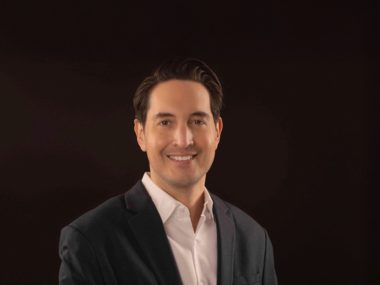
Most lawyers are trained to win arguments. The ones who build the most durable books of business have figured out how to win relationships. Chuki Obiyo, a business development leader whose career spans law, consulting, and global firm strategy, has spent years studying what separates the rainmakers from the technicians. His conclusion cuts through the mythology around natural charisma and innate salesmanship. “Influence is not about your job title or your position,” Obiyo says. “It is a relationship science. No title or credential or pedigree can substitute for the ability to make someone feel seen, heard, empathized with, and communicated with.”
Where Legal Training Becomes a Liability
Technical excellence gets lawyers hired. It does not make them indispensable. The constraint surfaces the moment a lawyer confuses being right with being valuable, obsessing over the correct answer, while never asking the questions that would make the answer genuinely useful.
Clients are not just buying legal expertise. They are buying confidence, clarity, and a sense that someone understands not just their legal problem but their business reality. The lawyer who understands a client’s competitive landscape, talent gaps, and risk profile relative to industry trends is operating in an entirely different category.
“Being technically excellent is just the baseline,” Obiyo says. “The differentiator is when you can be persistently proactive in engaging a client, focused on creating connection and understanding.” That is the shift from legal tactician to trusted thought-leadership partner, and it is the shift that determines who gets the call before the problem exists.
The TIP Framework: What Rainmakers Actually Run On
When every firm can deliver a competent answer, competence ceases to be a differentiator. Obiyo distills what actually separates rainmakers into three principles he calls TIP:
- Trust: Do clients believe the lawyer genuinely has their best interest in mind and is oriented toward solving problems?
- Insight: Is the lawyer translating data and information into an actionable understanding that helps clients make better decisions?
- Proximity: Is the lawyer close enough to the client to contextualize that insight in ways that land?
The durability of proximity-built relationships is something most lawyers underestimate. When a client contact moves from one company to another, they carry the relationship with them. “That bond can last through years and decades,” Obiyo says. “If your client contact moves from one company to another, they will still seek out your services because the personal bond carries over.” The institutional relationship belongs to the firm. The trust relationship belongs to the person who built it, and that person has a book of business that moves with them.
Showing Up Is the Competitive Advantage Nobody Talks About
For lawyers early in their careers, Obiyo’s most actionable counsel is the one that sounds simplest and is most consistently overlooked. Showing up is the foundation on which everything else is built. Physical showing up means being present, visiting client facilities in person, and arriving at every interaction prepared with genuine intent. Emotional showing up is more specific than most people realize. It is not about warmth or likability. It is about responsiveness with precision. Rather than telling a colleague you will get back to them, you say you have received their email and that you plan to respond within 24 to 48 hours. That level of specificity communicates reliability, and reliability is the foundation of trust.
The best influence builders, Obiyo argues, have turned influence from an art into a science. They run the same steps repeatedly, refine what works, and treat relationship-building as a disciplined, repeatable process rather than an intuitive gift some people have, and others do not. “By turning the exercise of influence into more of a science than an art,” Obiyo says, “leaders can find more consistent and scalable success.” That is the real advantage the top rainmakers hold: not talent, but system.
Follow Chuki Obiyo on LinkedIn for more insights on rainmaker strategy, business development coaching, and building influence in professional services.