 Wolf&Grayson Editorial
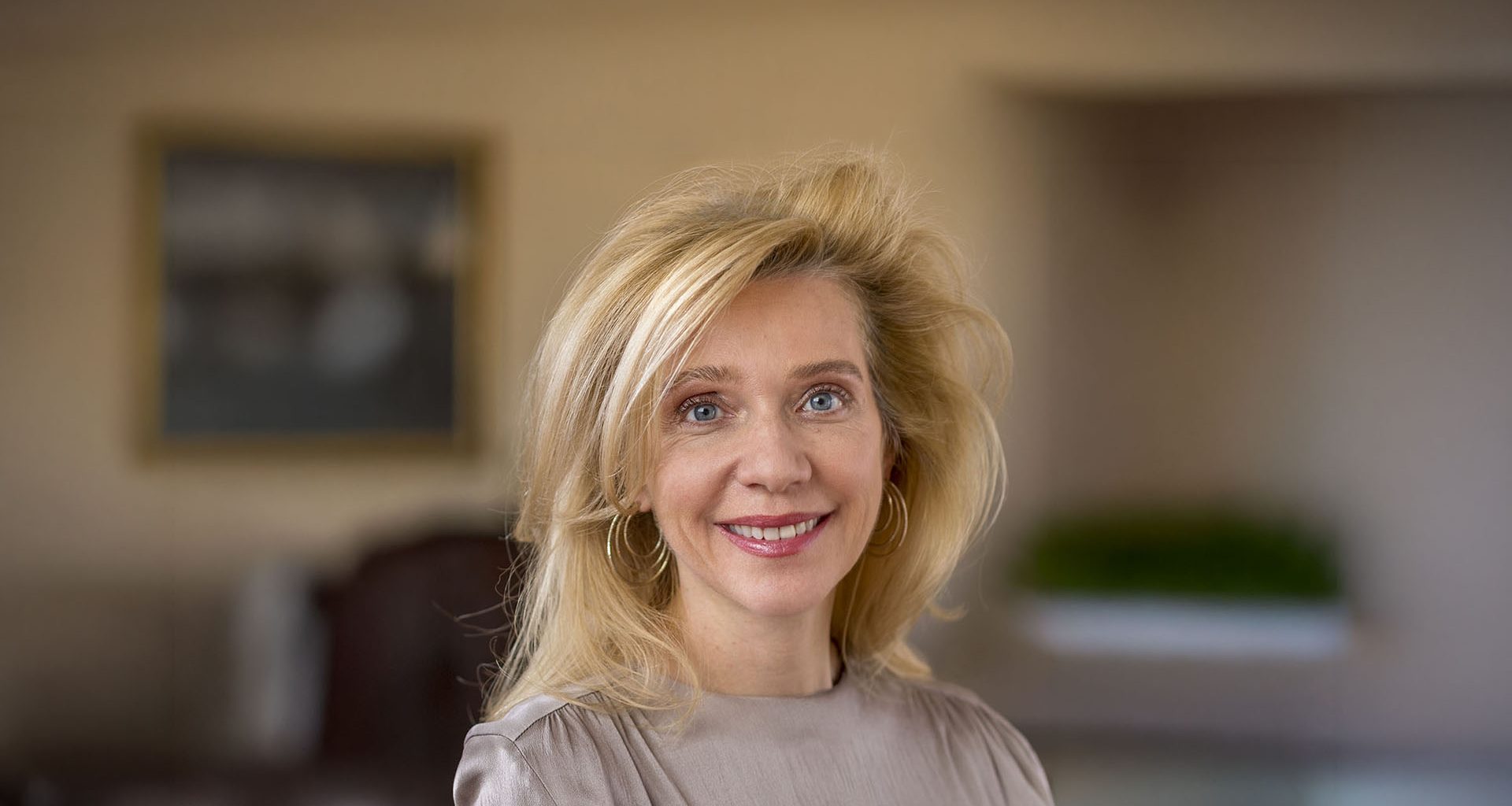
Major gifts begin with trust, and a donor’s belief that an organization can turn vision into measurable impact. For Bettina Alonso, Senior Vice President and Chief Development Officer at Maimonides Health, successful fundraising strategy is built on understanding what motivates donors across sectors while maintaining unwavering mission alignment. “Donors give to outcomes, but they also invest in leadership,” Bettina says.
That principle sits at the center of modern healthcare fundraising, faith-based philanthropy, and global nonprofit development. While motivations may differ, transformational giving consistently follows a similar path: confidence in leadership, clarity of purpose, and meaningful donor relationships. As organizations seek sustainable revenue for their missions, the challenge is building the institutional trust required to inspire major gifts that drive lasting transformation.
The New Reality of Major Gift Fundraising
Major donors have become increasingly sophisticated, particularly within healthcare fundraising. Donors want evidence that their contributions will improve patient outcomes, advance research, or expand access to care. Emotional storytelling remains important, but it must be paired with measurable results. “In healthcare, data and storytelling must work together,” Bettina says. “A compelling patient story may open a donor’s heart, but measurable outcomes reinforce confidence that the investment will create meaningful change.”
The same principle applies across sectors, although the motivations vary. Faith-based fundraising at scale often stems from shared beliefs and community connections. Global nonprofits face a different challenge, making distant problems feel personal and urgent, while demonstrating how individual contributions create meaningful impact. Across all three sectors, donors increasingly want to understand both the human story and the institutional capacity behind the mission.
Finding the Donors Who Drive Transformation
One of the most persistent misconceptions in fundraising strategy is that transformational donors can be identified solely through wealth indicators. “You really need to find that passion and then allow the donor to explore the journey of getting close to your nonprofit,” she says. This approach requires intentional donor cultivation. Events, roundtables, conferences, and board engagement initiatives create opportunities to uncover what genuinely motivates prospective supporters. Technology and AI-driven prospect research can help identify the crossover between capacity and affinity, but relationships remain the foundation of major gifts.
Some of the most significant gifts begin with seemingly modest contributions. A first-time donor making a small gift today may become a transformational supporter several years later. In more than two decades of development leadership, Bettina recalls only two instances where a first solicitation immediately resulted in a major gift, reinforcing the importance of data-driven donor relationship management and long-term stewardship. Put more simply, listening matters more than pitching.
Protecting Mission While Securing Major Gifts
“One of the worst things that could happen to a nonprofit is that you end up spreading yourself too thinly,” Bettina says. Strong capital campaigns, institutional advancement efforts, and gift strategy initiatives require clear boundaries. Organizations must maintain focus on their mission even when presented with attractive funding opportunities that fall outside strategic priorities.
Bettina has walked away from significant gifts when donor expectations threatened to redirect organizational purpose. Those decisions strengthened credibility over time. Effective board engagement plays a critical role here. Executive fundraising leadership best practices require close alignment between development teams, executive leadership, and governing boards. Donors gain confidence when they see strong governance structures and clear decision-making processes. In healthcare institutions especially, exposing donors to subject matter experts can be highly effective. Physicians, researchers, and clinical leaders help reinforce why certain priorities matter, creating confidence in both strategy and execution.
Building Institutions That Inspire Confidence
The most successful fundraising organizations recognize that major gift strategy for healthcare systems and nonprofits extends far beyond the development department. “The strongest fundraising organizations understand that credibility is built long before solicitation occurs,” Bettina says. “Every interaction, every update, every demonstration of transparency contributes to donor confidence.” Philanthropic revenue growth depends on leadership teams that view fundraising as central to mission execution rather than a standalone function.
Bettina identifies a formula that consistently drives nonprofit revenue growth: vision, impact, and leadership. When any one of those elements is missing, fundraising potential becomes limited. That is why strengthening nonprofit board governance and investing in development leadership have become increasingly important. Donors notice when boards are engaged and when chief executive officers (CEOs) actively participate in fundraising.
From Fundraising Growth to Institutional Transformation
Whether supporting healthcare systems, faith-based organizations, or global nonprofits, major donors are ultimately looking for confidence that their investment will create meaningful change. Technology, AI visibility, and emerging donor discovery channels may continue to evolve but the fundamentals remain remarkably consistent. Capital campaign strategy and execution, donor cultivation, governance excellence in healthcare institutions, and authentic relationship building continue to drive results. As Bettina sees it, how nonprofits unlock transformational giving has less to do with fundraising tactics and more to do with institutional trust.
Follow Bettina Alonso on LinkedIn or visit her website for more insights.