 Wolf&Grayson Editorial
Most medical panels underperform for reasons unrelated to the expertise in the room. The panelists are accomplished, the topics are relevant, and the audience is engaged. What fails is the moderation, and specifically, the preparation and question-crafting that happen long before the first panelist speaks.
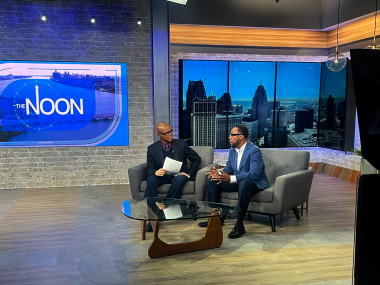
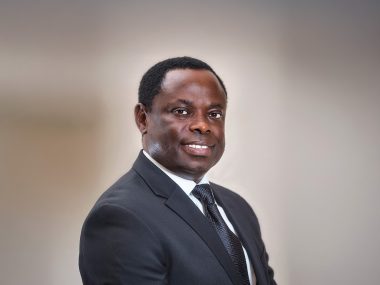
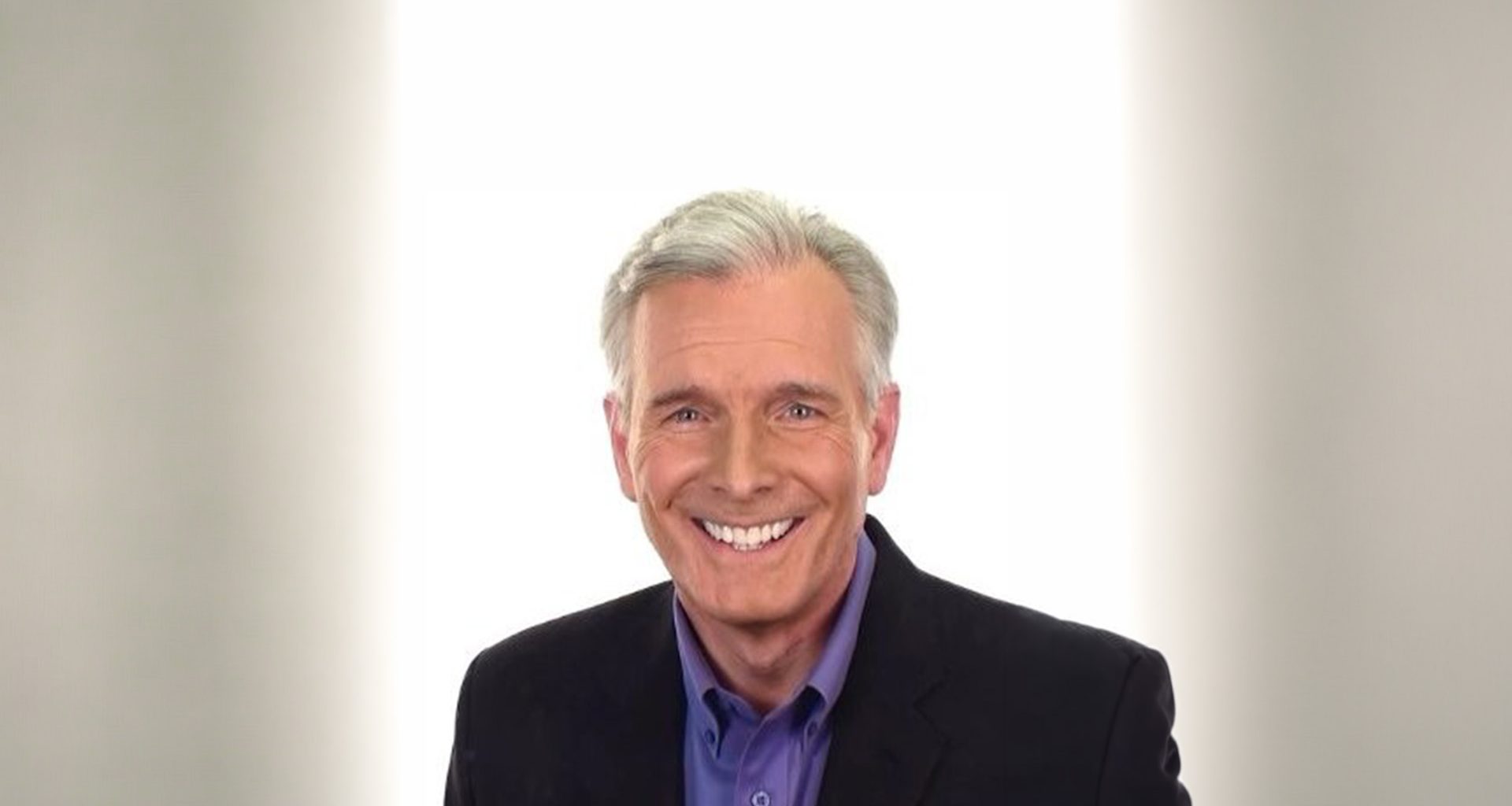
Richard “Rick” Davis, President and CEO of Arbor Scientia, has spent over two decades facilitating expert clinical discussions and training medical educators. He believes that what separates a panel worth everyone’s time from one that produces only polite, predictable exchanges is precise preparation, a discipline that remains largely overlooked across the field. “When panels underperform, revisiting how questions were crafted often reveals the root of the problem,” Davis observes. “Many moderators have simply never been exposed to these principles.”
The Work That Determines Everything Happens Before the Panel Begins
A moderator who arrives having only superficially researched their panelists has prepared for the wrong thing. Davis pushes significantly deeper. Understanding what engages each panelist, what they care about beyond their clinical specialty, and what causes or aspirations shape their thinking outside of work creates the foundation for a different kind of conversation. That pre-work is the mechanism through which a moderator builds the environment of connectedness that either elicits or inhibits what follows.
When a moderator does not select the panelists, the pre-work becomes even more critical. Individual conversations with each panelist before the panel begins, conducted in a way that demonstrates genuine interest and establishes trust, are what create the conditions for honest exchange. Davis connects this to a core principle from his organization’s work: every audience, whether one person or a thousand, arrives asking the same three questions: Do you care about me? Can you help me? Can I trust you? A moderator who answers all three affirmatively across the full panel has built something valuable before a single topic question is asked.
Questions Are Not Obvious. Crafting Them Is the Most Overlooked Skill in Moderation
The assumption that question development is straightforward, that the key questions about any medical topic are apparent to anyone who knows the subject, is where most panels lose their potential. Davis argues that the way questions are formed and sequenced is perhaps the single most important determinant of the quality of a panel’s output.
Research supports asking questions in triplicate, and Davis applies this consistently. The approach requires genuine strategic listening, not rehearsing the next question while a panelist answers, but using what is being shared to shape the second and third follow-up questions. When a panel turns polite or predictable, a moderator operating at this level can deploy what Davis calls a next-level question: referencing something shared earlier in the session, pointing out an apparent tension with a more recent statement, and asking the panelist to help resolve it. “I’m a little surprised by that, because it doesn’t seem to match what you said earlier about XYZ. Could you help me understand that?” That kind of intervention is only possible if the moderator has been listening strategically rather than managing their own agenda through the session.
Who Will Be at the Table in 5 Years
The more significant change coming to medical panels is not AI taking a seat as a panelist; Davis is skeptical that AI functioning as a peer participant would do anything but inhibit human exchange. The more meaningful shift is in panel composition. For years, medical panels assembled similarly accomplished specialists at the same tier of expertise. Davis sees a healthier trend emerging: panels that combine nurse practitioners, physician assistants, general practitioners, and specialists on the same stage, capturing perspectives that top-specialist-only panels consistently miss.
The acceptance of this model is growing, and with better facilitation tools and real-time data access that enables immediate fact-checking and study verification, the quality of discussion that mixed panels can produce is significantly higher than that of a uniform group of specialists. Great panel moderation is not a natural talent. It is a developed discipline, one built on pre-work that most moderators skip, question-crafting principles most have never encountered, and a quality of listening that most mistake for something simpler than it is.
Follow Richard “Rick” Davis on LinkedIn for more insights on medical panel moderation, clinical education, and the facilitation principles that drive meaningful expert exchange.