 Wolf&Grayson Editorial
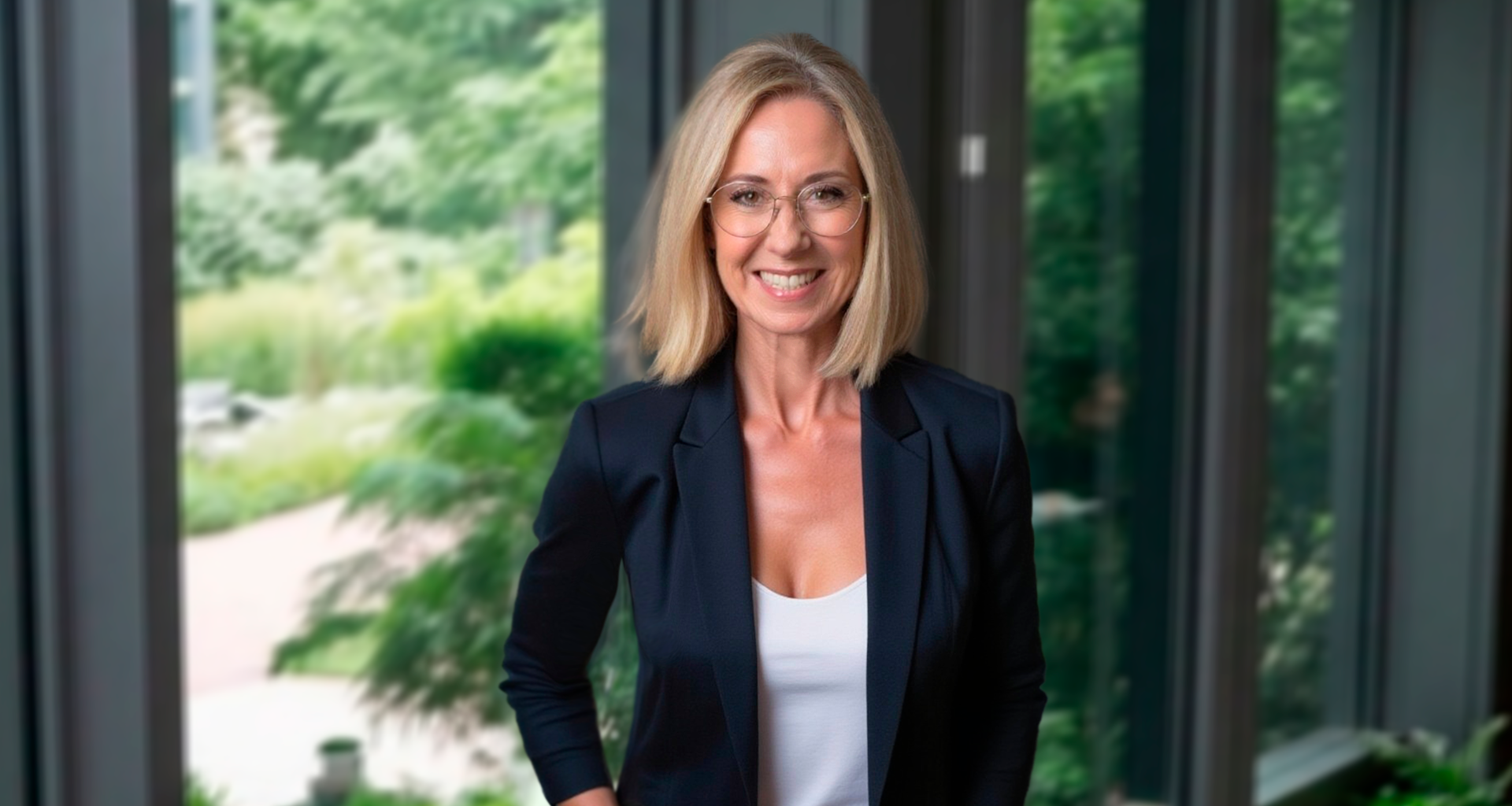
In the search for the right school for their children, many parents skip over the most influential educational force of all: themselves. Long before a child enters a classroom, learning has already begun through countless everyday interactions that shape resilience, curiosity, confidence, and character. “They’re watching how we handle a spilled glass of milk, whether we take a breath before we react, or how we talk to the waiter who got the order wrong. That’s the curriculum nobody writes down, and it’s the one that sticks,” says Shannon Penrose, Chief Executive Officer of Growing Brilliant.
With more than three decades spanning classrooms, school districts, nonprofits, publishers, and EdTech, Penrose has built a career around aligning child development with product strategy and education transformation. In the insights that follow, she explains how parents become the most consequential educational influence in a child’s life, shaping learning long before formal education begins.
The Invisible Curriculum Every Parent Teaches
Many conversations about education focus on academic achievement. Penrose believes the lessons that matter most are often invisible. She recalls one mother who never explicitly encouraged curiosity but modeled it every day by asking questions at dinner and openly looking up answers she did not know. “By second grade, he was the kid who raised his hand and said, ‘But why does it work that way?’ That’s not a coincidence. That’s modeling.”
Children absorb far more from observation than instruction, learning how to respond to uncertainty, frustration, mistakes, and relationships simply by watching the adults around them. Parents are constantly teaching children whether it is safe to fail, how emotions should be handled, and whether their voices matter.
Partnership, Not Parallel Roles
Penrose’s perspective was shaped early in her career while teaching bilingual first grade. Two students began the year with nearly identical reading abilities, received the same instruction, yet ended the year with dramatically different outcomes. “What was different was home.” One family had established a simple nightly reading routine, while the other had not yet built reading into daily life. “Parents had the other eighteen hours, and the other eighteen were shaping how the six got used.”
That experience fundamentally changed her approach to education, and she came to view parents as partners working toward the same goal. The strongest educational outcomes emerged when parents were empowered rather than treated as passive recipients of progress reports.
It’s a philosophy that informs Penrose’s work across virtual preschool initiatives, district partnerships, and platform expansion efforts, consistently emphasizing outcome alignment over simply delivering new curriculum features. It also reflects a broader lesson for organizations pursuing EdTech scaling: sustainable growth depends on understanding both the child and the family.
Small Moments Build Resilient Children
Penrose developed a structured approach to help families translate everyday interactions into intentional child development. At the core of her Raising Unstoppable framework is a single, unifying outcome: resilience. Allowing children to struggle with tying a shoe, solve a difficult math problem before stepping in, or reflect on what happened after making a mistake all help to strengthen a child’s confidence.
“Resilience isn’t built in the big dramatic moments. It’s built in the small, boring ones that happen over and over.” This idea forms the foundation of Penrose’s Raising Unstoppable framework: Body, Mind, Heart, and Will. Together, the framework encourages families to nurture physical wellbeing, intellectual curiosity, emotional connection, and perseverance rather than chasing isolated academic milestones.
The approach also addresses a common challenge in education: scaling what children actually need instead of what appears impressive in a product demonstration. In Penrose’s framework, meaningful child development comes from consistent human interactions that no curriculum alone can replicate.
Why Human Connection Will Always Matter
As technology continues to reshape education, Penrose remains optimistic about its potential while cautioning against confusing innovation with influence. Rather than competing with technology, parents strengthen their influence by protecting daily conversations, remaining genuinely interested in their children’s digital lives, and building trust through consistent presence. “An app can be endlessly clever, but it can’t know your child,” she says. “That knowing is what makes a parent’s voice carry weight that no algorithm can replicate.”
Looking ahead, Penrose believes the defining advantage for future generations will not be access to more information but the ability to adapt. “The parents who prepare their kids well won’t be the ones with the most information or the tightest schedule. They’ll be the ones who raised children with a strong body to draw energy from, a curious mind willing to keep learning, a heart that can connect with other people, and the will to keep going when something doesn’t come easily.”
Penrose’s message is both reassuring and challenging. The greatest educational influence is found in the ordinary moments families share every day. Her role, she says, is simply to help parents recognize “how much power they already have.” For more insights, follow Shannon Penrose on LinkedIn or visit her website.