 Wolf&Grayson Editorial
Strong boardroom governance comes down to seeing what others miss before it becomes obvious. As organizations face accelerating disruption across healthcare, education, technology, and other sectors, strategic foresight is becoming one of the defining capabilities of effective board leadership.
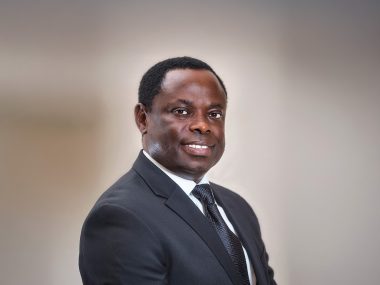
For Dr. Cleamon Moorer, Jr., a healthcare entrepreneur and executive with more than 25 years of leadership experience spanning healthcare, higher education, telecommunications, automotive, and nonprofit governance, the challenge is not a lack of intelligence around the board table. It is that many boards are structured to oversee risk rather than anticipate change.
“Most boards are comprised of individuals who have the responsibility to give oversight and manage risk, not necessarily think strategically or bring their visionary experience to board oversight,” Moorer says. Moving from reactive oversight to anticipatory leadership requires boards to deliberately create space for future-focused thinking that extends well beyond quarterly results.
Strategic Foresight Must Become Part of Board Leadership
Strategic foresight in the boardroom begins with recognizing that disruption rarely arrives without warning. Demographic shifts, regulatory changes, evolving customer expectations, and technological advances all leave signals long before they become crises.
Drawing from his experience across healthcare and higher education, Moorer points to organizations that struggled because they focused on immediate operational pressures instead of long-term value. Healthcare providers can be caught off guard by changing payer models or patient demographics, while universities often react too late to enrollment shifts or policy changes affecting international students.
“What helped me most was being intentional and creating intentional space for future-focused conversations that are separate from the day-to-day or the regular business.” Rather than limiting strategic discussions to annual retreats, boards should make executive vision and governance strategy recurring priorities throughout the year.
Building Anticipatory Leadership Through Better Conversations
Future-proofing corporate governance requires more than asking better questions. It requires changing who participates in those conversations. Moorer believes dedicated foresight time should become a standing agenda item during every board meeting. His organization routinely discusses what the business could look like years into the future rather than focusing exclusively on present performance.
Equally important is bringing perspectives from outside the organization’s own industry. “Bring in folks from the tech world, bring in folks that are in the civic and the social services space to give insight.” Cross-industry leadership exposes directors to ideas that may never emerge from internal discussions alone. As both an entrepreneur and professor, Moorer has found that an entrepreneurial mindset naturally encourages leaders to scan constantly for disruption, helping boards move beyond familiar assumptions and identify emerging opportunities before competitors do.
Scenario Planning Turns Uncertainty Into Strategic Advantage
Every investment, partnership, or technology initiative should be evaluated through multiple future scenarios. “When it’s built in, it’s a standing agenda item. It’s not an add-on.” Boards should ask what happens if technology adoption accelerates faster than expected, what contingency plans exist if implementation fails, and how operational changes may affect other parts of the organization. Those discussions transform scenario planning from a theoretical exercise into a practical governance tool.
“It’s like you’ve got to have a strategic radar” and that radar should continuously monitor economic conditions, regulation, technological advances, political developments, workforce trends, and changing customer expectations. The objective is not predicting the future with certainty but building enough flexibility to respond before disruption becomes a crisis.
Looking Beyond Headlines to See the Earliest Signals
Leading transformation across multiple industries requires discipline. Moorer cautions against confusing constant news with meaningful intelligence. “The difference is trying to figure out what’s noise and what’s a signal.” Rather than reacting to every headline about artificial intelligence, cybersecurity, or geopolitical events, boards should concentrate on strategic themes directly connected to their mission. Individual directors can also assume responsibility for monitoring specific areas of expertise, creating a broader intelligence network across the board.
Perhaps the most overlooked source of insight comes directly from customers, employees, and adjacent industries. “You’ve got to keep an ear to the ground and eyes on your client. Eyes on your patient.” Primary conversations with patients, caregivers, employees, regulators, and partners often reveal emerging trends long before market reports do. Moorer also encourages boards to study innovations outside their own sectors, from airlines to hospitality, while paying close attention to early-stage companies, venture capital activity, and new founder-led businesses that often introduce disruptive ideas first.
Ultimately, strategic foresight is not about chasing every opportunity. It is about aligning calculated risks with a clear organizational purpose. “It’s okay to use gut feel heuristics. It’s okay to make calculated risk gambles, but keep that moral compass in check.” Boards that embrace this mindset are better positioned to move from reactive governance toward long-term strategy, strengthening both resilience and competitive advantage in an increasingly uncertain future.
Follow Dr. Cleamon Moorer, Jr. on LinkedIn or visit his website.