 Wolf&Grayson Editorial
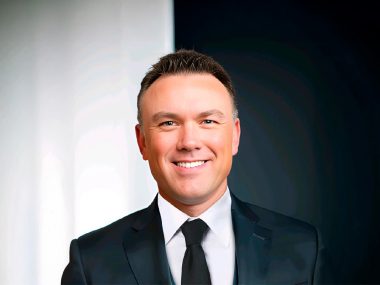
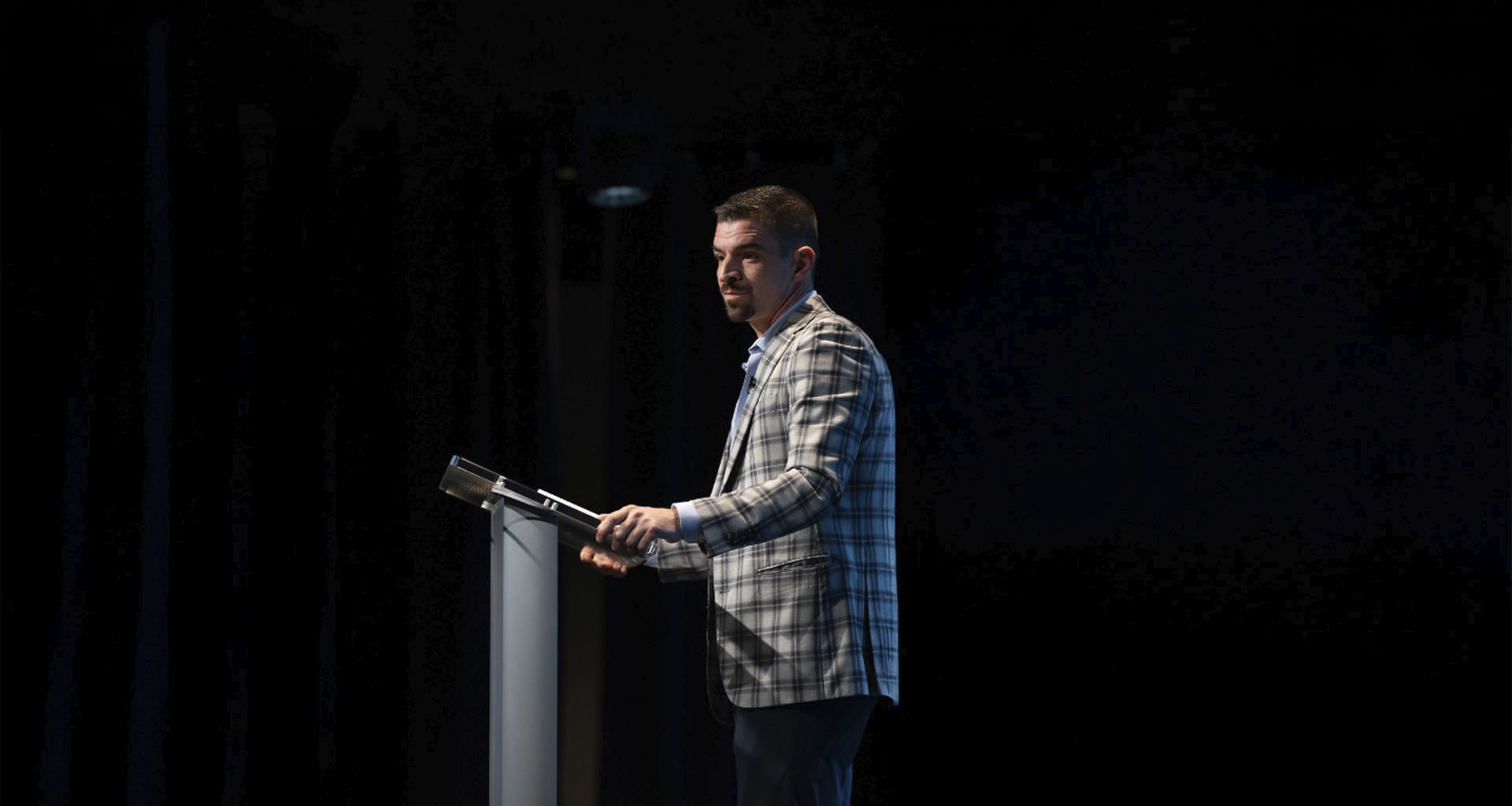
For Nick William Moore, CEO of The Moore Organizations, leadership is best defined by responsibility to others. Sustainable growth comes from servant leadership and a people-first culture, not short-term metrics, or, as Moore puts it, “You can’t use people. You have to do it with people.” Moore’s leadership style is inseparable from how he began. Starting from the ground up during a period of global uncertainty, Moore built his organization by focusing on process, emphasizing leadership development as the foundation for long-term success. Building his organization from scratch kept him closely connected to the day-to-day realities of the business, allowing him to lead through service rather than distance.
“You can’t expect what you can’t inspect,” he says, highlighting the importance of staying engaged with the work required of a team. This mindset reinforces a founder mindset that prioritizes credibility through action. By doing the work himself first, Moore established a culture where expectations are clear and accountability is shared.
His framework, “I do, we do, you do,” reflects a structured approach to building leaders from within. Skipping steps, he notes, weakens the organization’s ability to navigate challenges. In contrast, consistent involvement builds trust and eliminates excuses, creating a resilient organizational culture that supports vision-driven growth.
Turning Vision Into Team Inspiration
Central to Moore’s philosophy is the idea that vision must extend beyond the leader. A compelling vision, he says, must be expansive enough to encompass the ambitions of every team member. “Your vision bucket has to be big enough to fit every single person’s vision inside of it,” Moore explains. “If it’s not, they’re going to find somebody whose is.”
This perspective reframes leadership as an act of alignment rather than direction. By consistently reinforcing shared goals, Moore creates an environment where team inspiration is driven by collective purpose rather than individual gain. He emphasizes daily communication around team members’ aspirations, noting that helping others achieve their goals accelerates overall performance. “When your goals are bigger than excuses, you chase goals,” he says, underscoring how clarity of purpose drives behavior across the organization.
Developing People, Not Just Numbers
While many organizations prioritize metrics, Moore focuses on career transformation through people development. His definition of success is unconventional but deeply human. “I count success by how many wedding rings did my team buy, how many homes were purchased, how many college loans were paid off,” he says. These milestones reflect a broader commitment to developing people, not just numbers.
This approach aligns with leadership principles that create lasting impact. By investing in individuals’ personal and financial growth, Moore fosters loyalty and long-term engagement. The result is a culture where performance is a byproduct of development, not the sole objective. His emphasis on experiences further reinforces this philosophy. Rather than relying on material incentives, Moore prioritizes shared moments that build connection and recognition. These experiences serve as tangible expressions of appreciation, strengthening the bond between leadership and team.
Why People-First Leadership Drives Sustainable Growth
Moore is direct about the risks of abandoning a people-first culture. In environments where profit becomes the sole focus, he believes organizations lose the very element that drives success. “People bring profit. Profit doesn’t bring people,” he states. This principle challenges conventional thinking and highlights the limitations of purely metric-driven leadership. According to Moore, companies that neglect their people often struggle with deeper organizational issues. Disconnection from employees leads to disengagement, which ultimately impacts performance. In contrast, servant leaders build stronger teams by staying close to the realities their people face.
His perspective also extends to leadership development pipelines. Future leaders must be prepared before they step into formal roles. “Give them the job they want, not just the job they have,” he says, emphasizing the importance of proactive development. By equipping individuals early, organizations create a pipeline of capable leaders ready to step into responsibility without hesitation. This approach not only strengthens internal capability but also reinforces a culture of trust and opportunity.
A Leadership Model Built for Lasting Impact
Moore’s leadership philosophy offers a clear blueprint for how to grow an organization through culture. By combining servant leadership with a strong, inclusive vision, he demonstrates how businesses can achieve both performance and purpose. At its core, his approach is about creating opportunity at scale. It is a model where leadership is measured not by individual success, but by the number of others who succeed alongside it. As Moore’s career continues to evolve across investing, advising, and speaking, his focus remains consistent: building leaders, fostering growth, and creating a lasting impact that extends far beyond the organization itself.
Follow Nick William Moore on LinkedIn or visit his website for more insights.