 Wolf&Grayson Editorial
Passing a Health Insurance Portability and Accountability Act (HIPAA) audit is not the same as being secure. In healthcare and fintech (financial technology), the organizations that confuse the two are the ones that get breached.
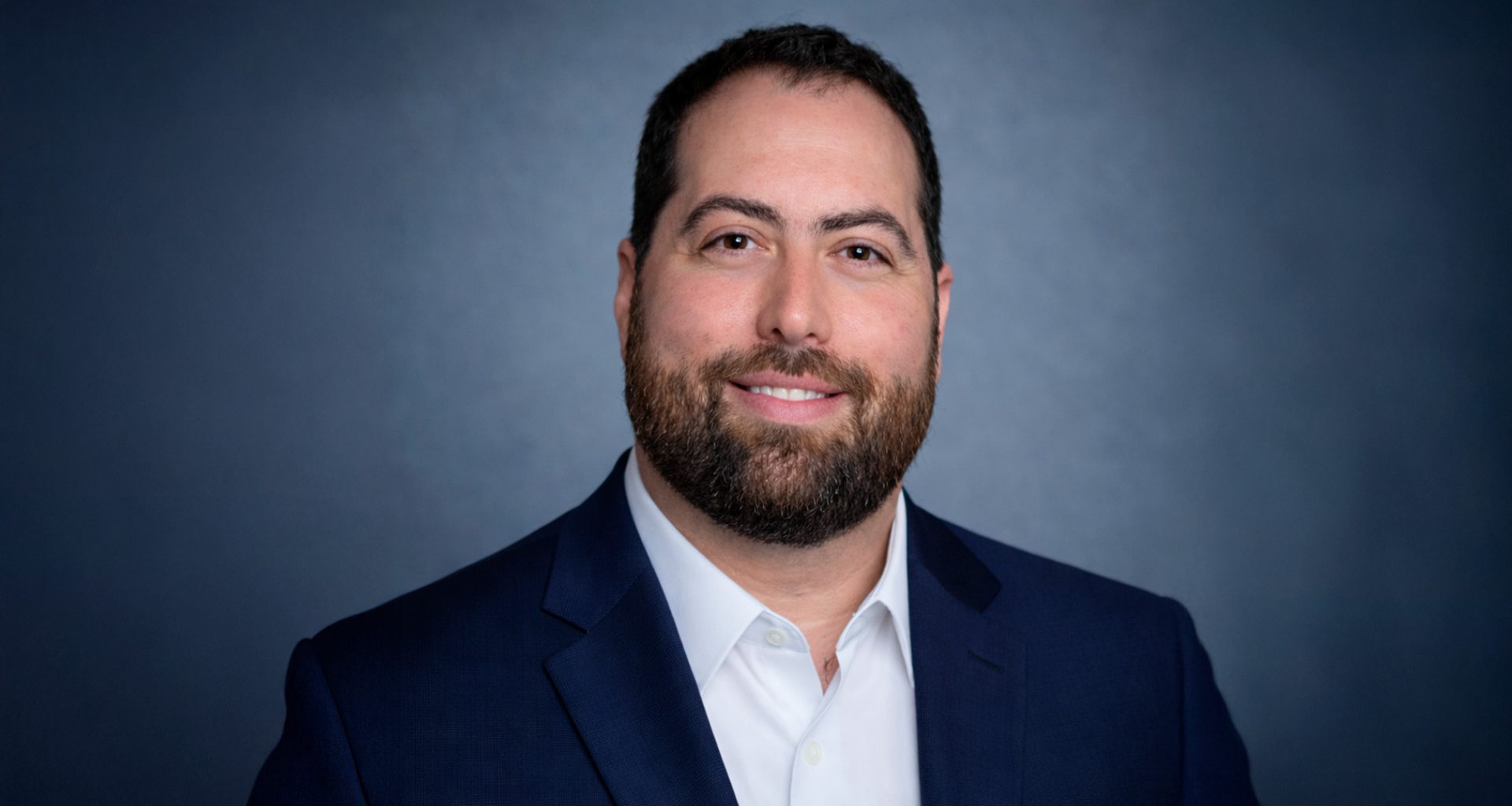
Nick F. Hernandez, cybersecurity strategist with two decades of experience securing high-sensitivity industries, has watched that confusion play out consistently. His diagnosis is direct: most security programs are built around compliance calendars rather than threat realities. And attackers know exactly how to exploit that gap. “Compliance tells you what you did,” Hernandez says. “Threat-informed defense tells you what is coming.”
The Compliance Trap
A clean audit produces the most dangerous condition in cybersecurity: leadership confidence that has not been earned. Hernandez has seen organizations with perfect audit scores suffer breaches because nobody asked what had changed in the preceding 90 days. The audit answered a historical question. The environment had moved on without anyone noticing.
Compliance is a minimum bar, and attackers already know how to clear it. The organizations that treat an audit as the destination are measuring yesterday’s posture against tomorrow’s threats and calling it a security strategy. What replaces it is a living threat model, one that evolves continuously with the environment it defends. The question is never what the last audit found. It is what has changed since. The practical implication is operational. Security cannot be an annual exercise. It requires continuous assessment of what is new, what has shifted, and which assumptions the existing posture still relies on that may no longer hold.
When Disaster Recovery Becomes a Liability
The same gap between documentation and operational reality runs through disaster recovery (DR). Hernandez has built DR plans from scratch, and his position on when they become dangerous is unambiguous. “The first draft is never the real plan,” he says. “The real plan emerges after you actually try to execute it and find out what you missed.” A plan that has not been stress-tested under real infrastructure load, real staff availability, and real data volumes does not reduce risk. It manufactures false confidence and files it. The liability is not the absence of a plan. It is the presence of one that has never been broken.
The test Hernandez applies is simple. If the team needs 20 minutes to locate the plan during an active incident, it has already failed its purpose. DR plans that transition from operational tools into compliance artifacts stop protecting the organization the moment that transition happens.
The Threat Nobody Is Accounting For
Shadow AI is dissolving data perimeters in healthcare and fintech right now, and most security programs have not updated their threat models to reflect it. Organizations spend years defining where sensitive data lives and under what controls. A single employee pasting protected health information into a free consumer AI tool collapses that architecture in seconds. “The more insidious risk is that employees are not being malicious,” Hernandez says. “They are being efficient.” Well-intentioned people seeking productivity are producing the worst data exposure outcomes in the organization. Policy alone does not solve it. The response requires two things: visibility into which AI tools are actually being used across the organization, and sanctioned alternatives capable of competing with the free consumer tools employees are already reaching for.
The quantum dimension compounds the urgency. Hernandez points to a documented attack strategy already in use, which is to harvest now, decrypt later. Adversaries are collecting encrypted data today with the intent to decrypt it once quantum capability matures. The risk is not a future event. It is happening now, against data that organizations believe is protected.
The Standard That Cannot Be Negotiated
The speed of AI adoption now exceeds the speed of security assessment, and that gap is where breaches live. Closing it requires treating security not as a compliance function but as a continuous operational discipline, one that evolves as fast as the environment it is defending. “Convenience is not a security posture,” Hernandez says. Neither is a clean audit, an untested recovery plan, or a data governance policy written before shadow AI existed. The threat model has to account for the world as it is, not the world the last audit was designed to assess.
Follow Nick F. Hernandez on LinkedIn for more insights.