 Wolf&Grayson Editorial
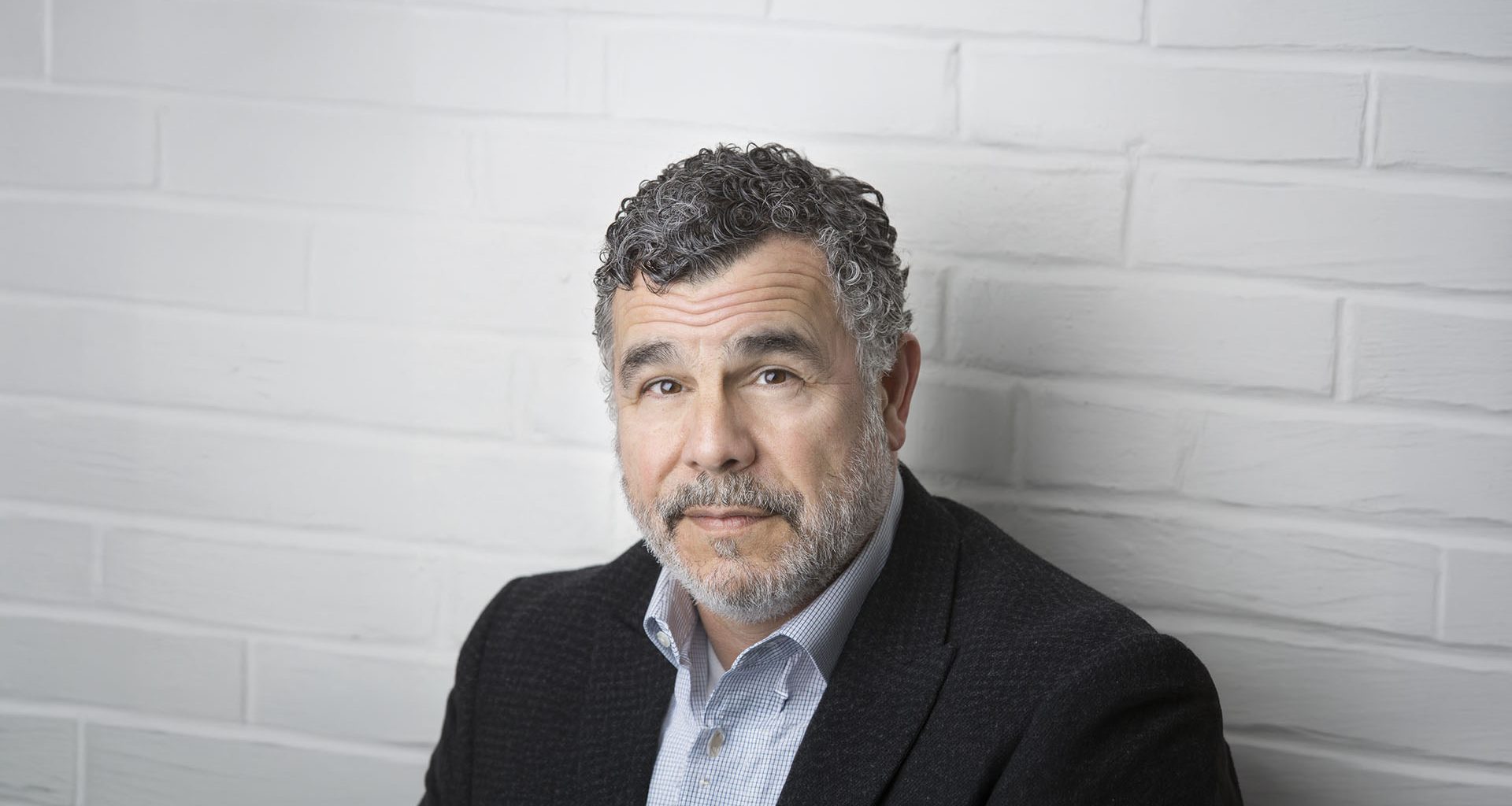
Courage is an overlooked antidote to disengagement in organizations, and Thane Bellomo says it’s also the key to outperforming competitors. As founder of Bellomo Leadership, Bellomo spent decades working across highly regulated industries, including nuclear energy and manufacturing. That experience, where operational failures carried serious financial and human consequences, led him to identify what he calls a ‘lie economy,’ a workplace culture where leaders prioritize comfort over truth, avoid difficult conversations, and quietly tolerate underperformance. “I believe most organizations don’t have a strategy problem. They have a courage problem,” says Bellomo. His work focuses on helping leadership teams replace comfort-driven cultures with systems built on accountability, honest feedback, and measurable performance.
Building a Courage Economy Starts With Truth
Bellomo traces the origins of his framework to his experience supporting a struggling nuclear power facility during a period marked by frequent shutdowns and even recurring safety failures. Within 12 to 18 months, the facility became both the safest and highest-performing nuclear plant by industry key performance indicators (KPIs). Bellomo says the transformation happened, and happened faster, because leadership stopped protecting comfort and started rewarding truth. “The operations of the plant were suffering because they operated in what I call a ‘lie economy,’” Bellomo says. “Everybody was optimizing for comfort. Everybody was conflict avoidant, not telling the truth because the truth was uncomfortable.”
Leadership made a deliberate decision to transform the organization by making safety non-negotiable. What followed was not only a measurable shift in behavior and accountability: safety became embedded into culture systems, performance accountability, and daily operations. One defining moment came when a welder formally reported the plant manager for an unsafe behavior. “The plant manager was written up for a safety violation and actually thanked the welder who issued the violation because he recognized the harm in his actions.”
Comfort Versus Truth
The hidden cost of leadership shows up gradually through disengagement, weak succession planning, and cultures where difficult conversations happen privately instead of publicly. “There’s this idea that everybody needs to be happy and holding hands as we walk into this wonderful future,” he says. “But people want to be a valuable member of a winning team doing something important.” Employees will tolerate pressure, hard work, and high standards when the mission feels meaningful, argues Bellomo. What erodes trust is ambiguity and avoidance.
Instead of addressing behavioral issues directly, leaders soften reality with vague language. Rather than telling an employee why they were passed over for advancement, organizations often rely on generic feedback about ‘leadership presence’ or organizational fit. Bellomo argues that this pattern weakens leadership courage across the company. “It’s the conversation that didn’t happen in the meeting but happens out in the lunchroom after the meeting,” Bellomo says.
Designing Leadership Development Systems That Create Accountability
Bellomo’s approach to executive coaching for organizational change focuses on designing systems that reinforce truth-telling and accountability. “Most people think office politics and dishonesty are just part of human nature,” he says. “The courage economy says that’s not true.” His focus is on building honest performance standards and talent strategies that drive measurable results. As organizations face increasing pressure to adapt to AI, accelerated competition, and shrinking competitive advantages, Bellomo warns that companies operating in comfort-driven cultures are becoming increasingly vulnerable because rapid change exposes organizational dishonesty faster than ever before. “With the rise of AI, a lie economy industrialized and turbocharged by AI itself would be catastrophically worse,” he says.
The Future Belongs to Courageous Leaders
Bellomo believes courage economy leadership will become one of the defining competitive advantages of the next decade. Organizations that create environments where employees can challenge assumptions, surface problems early, and contribute honestly will outperform those still protecting hierarchy and comfort. “If everybody in your organization was fully engaged in solving problems and innovating solutions, would you be successful?” Bellomo asks. “Every leader says ‘yes.’ Then create the circumstances where people can and want to do that.” As companies rethink culture systems, leadership development, and talent strategy in an increasingly volatile business environment, Bellomo leaves leaders with a final reminder: “Courage is expensive,” he says. “But lies cost more.”
Follow Thane Bellomo on LinkedIn or visit his website for more insights.